
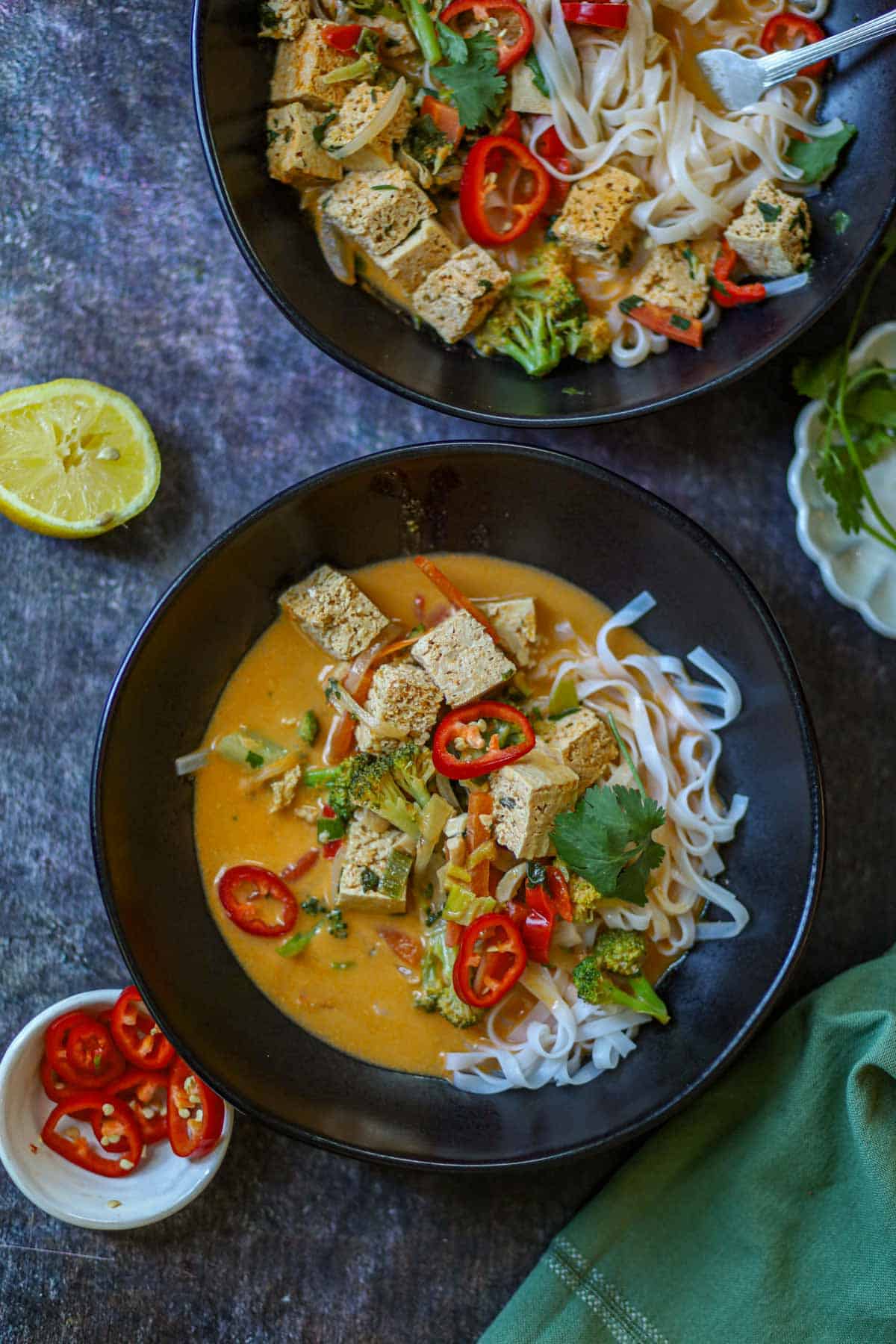
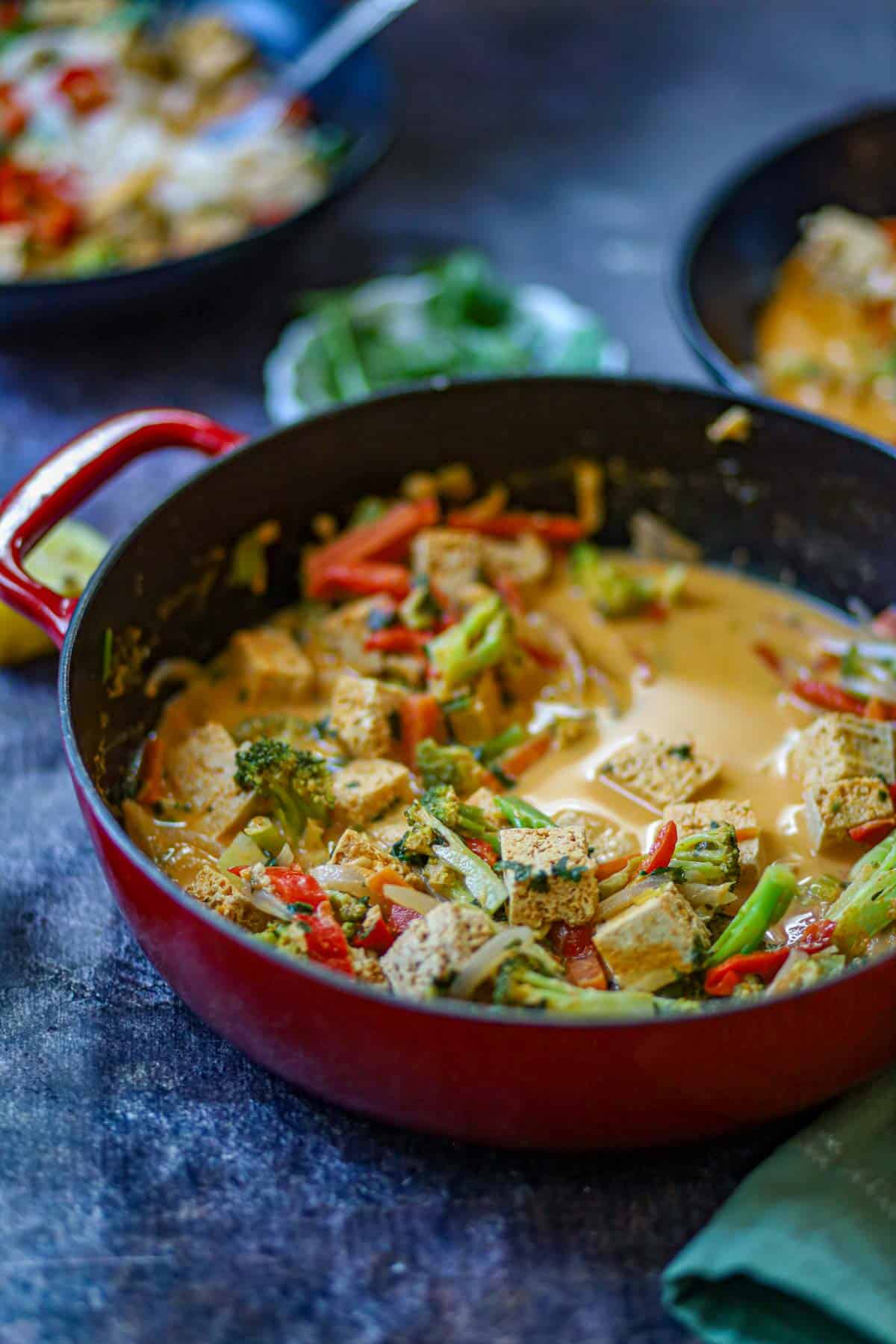
These Thai curry noodles with tofu are packed with flavor, perfect for a cozy dinner, and ready in under 30 minutes. Made with tender rice noodles and a vibrant mix of colorful vegetables, everything simmers together in a rich, creamy coconut curry sauce that tastes like absolute comfort in a bowl.
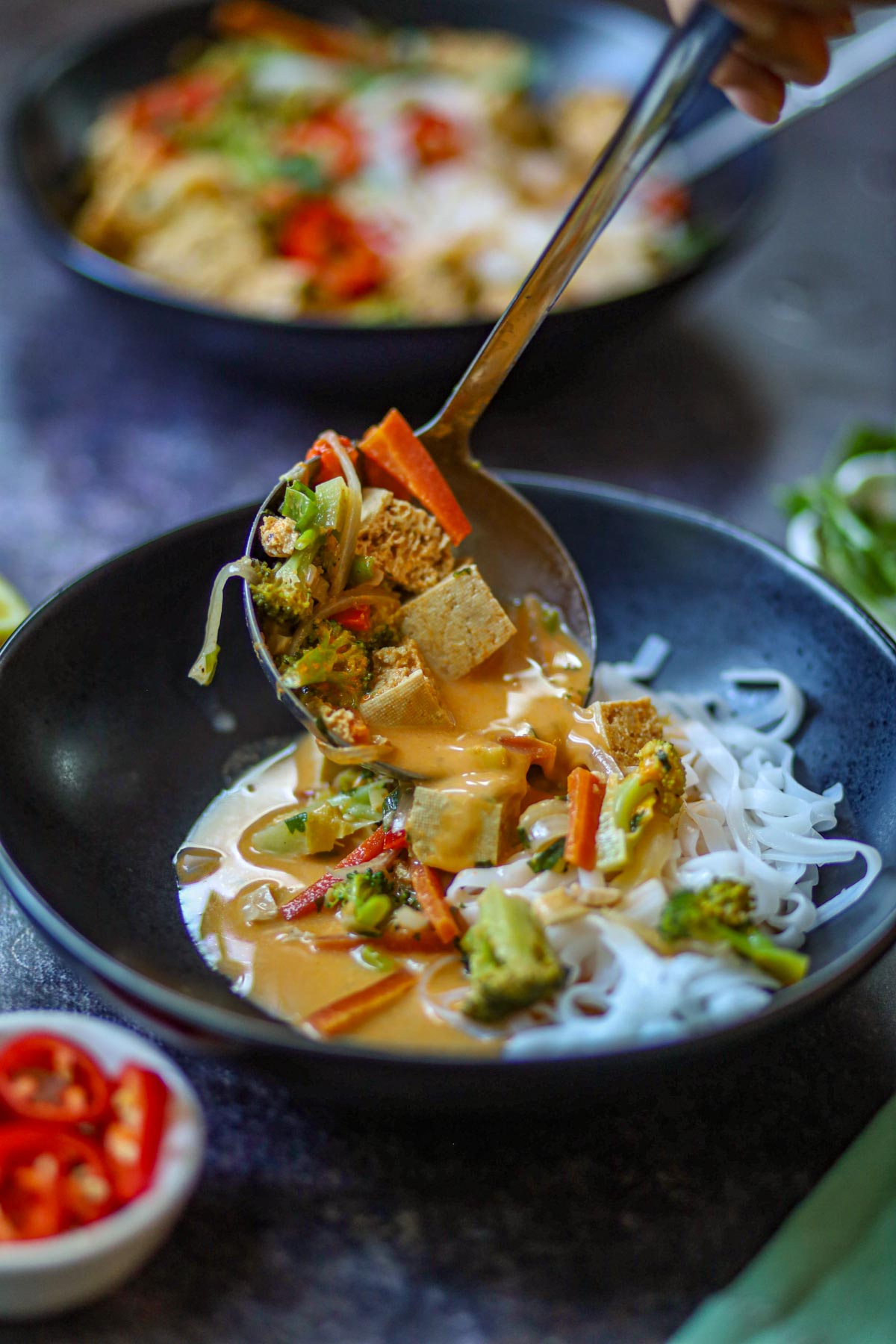
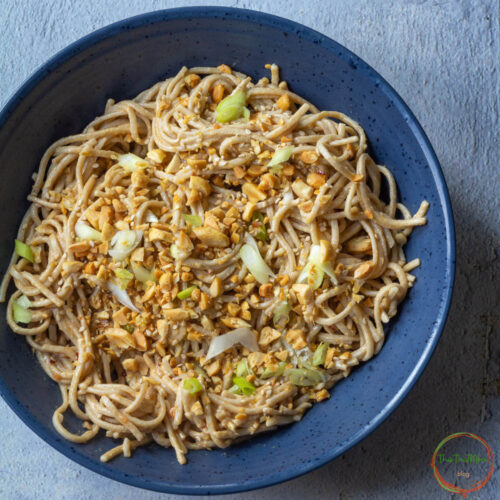
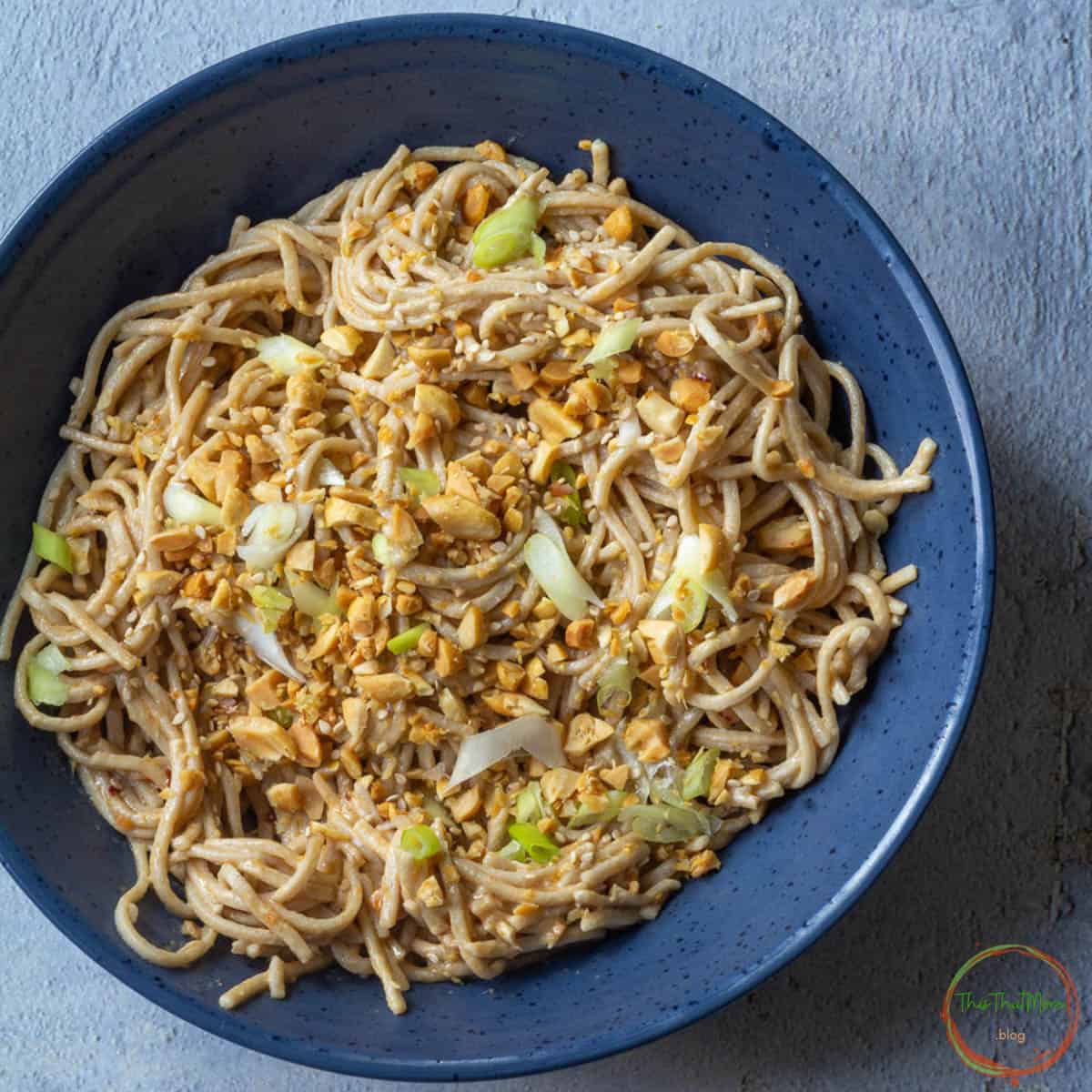
The combination of Thai red curry paste, creamy coconut milk, fresh ginger, garlic, and lime juice creates a rich coconut curry sauce that coats every bite of tender rice noodles. Whether you're looking for an easy vegetarian dinner, a protein-packed weeknight meal, or a better-than-takeout recipe, these creamy coconut curry noodles deliver restaurant-quality flavor in just 30 minutes. You can also try my Thai Noodle Salad with Peanut sauce, which is refreshing and perfect for summer lunch.
Whether you're looking for a quick weeknight meal, a healthy plant-based dinner, or a restaurant-quality recipe you can make at home, these noodles deliver big flavor with minimal effort.
💡 The Golden Rule of Noodle Prep: Unlike many one-pot recipes, this version cooks the rice noodles separately before tossing them into the curry sauce. This simple technique prevents mushy noodles and makes leftovers much easier to store and reheat!
The first time I made this recipe, I added the rice noodles directly to the curry. They soaked up too much sauce, so now I cook them separately and combine them just before serving. The texture is much better.
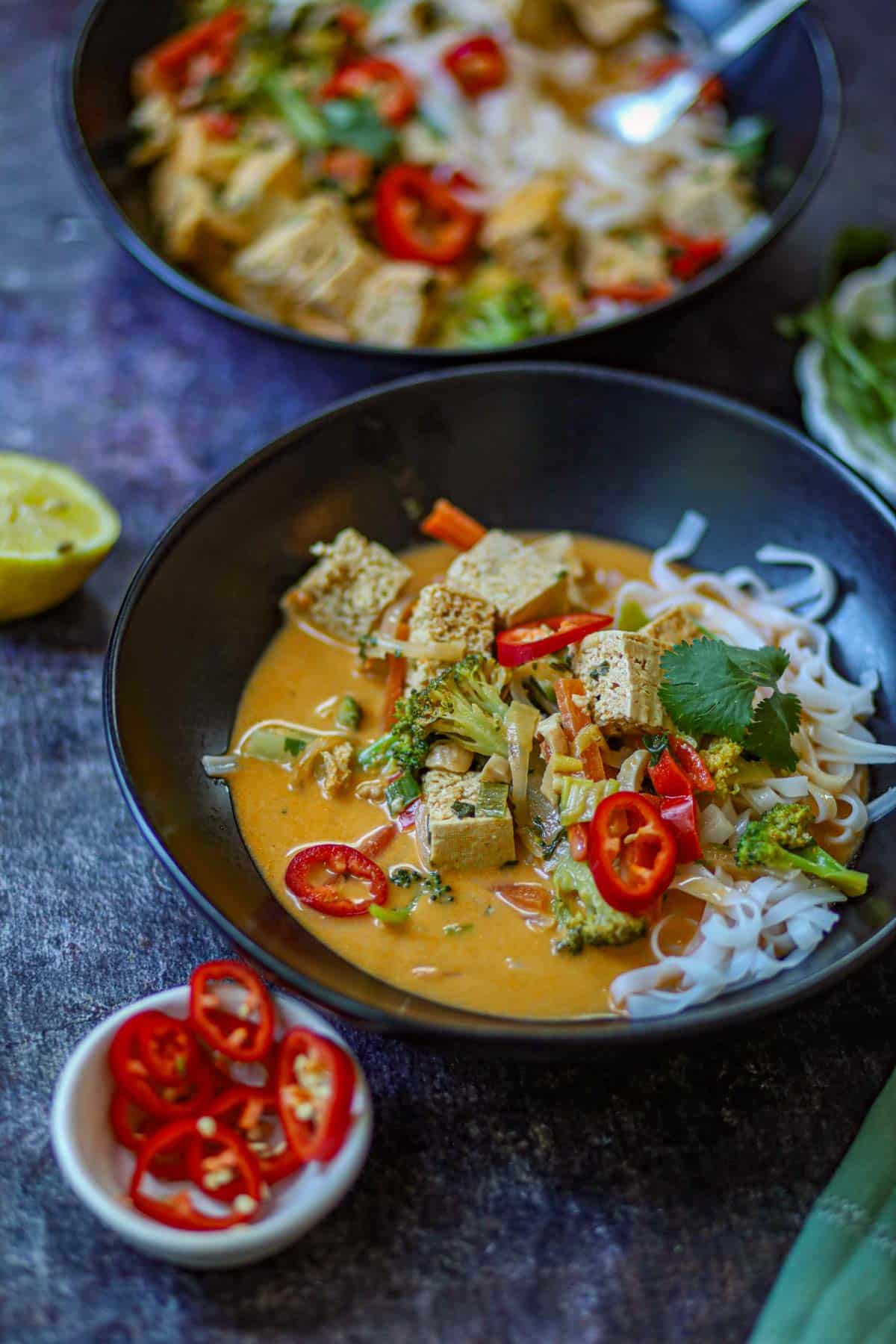
Quick Answer
Yes! These Thai Curry Noodles with Tofu are an easy 30-minute vegetarian dinner made with rice noodles, extra-firm tofu, colorful vegetables, and a creamy coconut red curry sauce. Cooking the noodles separately keeps them perfectly tender, while the curry delivers bold Thai-inspired flavors in every bite. Whether you're looking for a quick weeknight meal, a high-protein vegetarian recipe, or a healthier alternative to takeout, this recipe is simple, customizable, and perfect for meal prep.
Recipe Highlights
- 🍜 Ready in just 30 minutes using simple pantry ingredients.
- 💪 Packed with 20g of plant-based protein per serving.
- 🌱 Vegetarian, easily made vegan, and naturally gluten-free with rice noodles and tamari.
- 🥥 Creamy coconut curry sauce with Thai red curry paste, fresh vegetables, and tofu.
- 📦 Great for meal prep-cook the noodles separately for the best texture and leftovers.
Jump to:
- Quick Answer
- What Are Thai Curry Noodles with Tofu?
- The Instant Pot Flavor Hack (Optional Method)
- Why You'll Love This Recipe
- Ingredients You'll Need
- Step-by-Step: How to Make Creamy Thai Curry Noodles
- Method 2: The Instant Pot Pressure Cooker Way
- Expert Tips for the Best Thai Curry Noodles
- Common Mistakes to Avoid
- How to Fix Common Thai Curry Problems
- Flavor Variations to Try
- Customize This Recipe for Your Lifestyle
- Best Vegetables for Thai Curry Noodles
- What to Serve with Curry Noodles
- Storage and Meal Prep Tips
- Frequently Asked Questions
- More Asian-Inspired Vegetarian Recipes
- Creamy Thai Curry Noodles with Tofu
- Instant Pot Instructions
- Variations
- Storage
What Are Thai Curry Noodles with Tofu?
This Thai-inspired noodle bowl combines tender rice noodles with a creamy Thai red curry sauce, colorful vegetables, and plant-based protein for a comforting one-bowl meal. Instead of serving the curry over jasmine rice, this recipe turns it into a satisfying coconut-curry noodle bowl that's perfect for busy weeknights. If you're curious about authentic flavors, learning what makes Thai curry paste unique can give you a deeper appreciation of this dish's rich and aromatic base.
This recipe uses Thai red curry paste, rich coconut milk, fresh vegetables, and protein-packed tofu to create a glossy, creamy Thai curry noodle base that coats every single strand.
How Do They Differ from Stir-Fried Noodles?
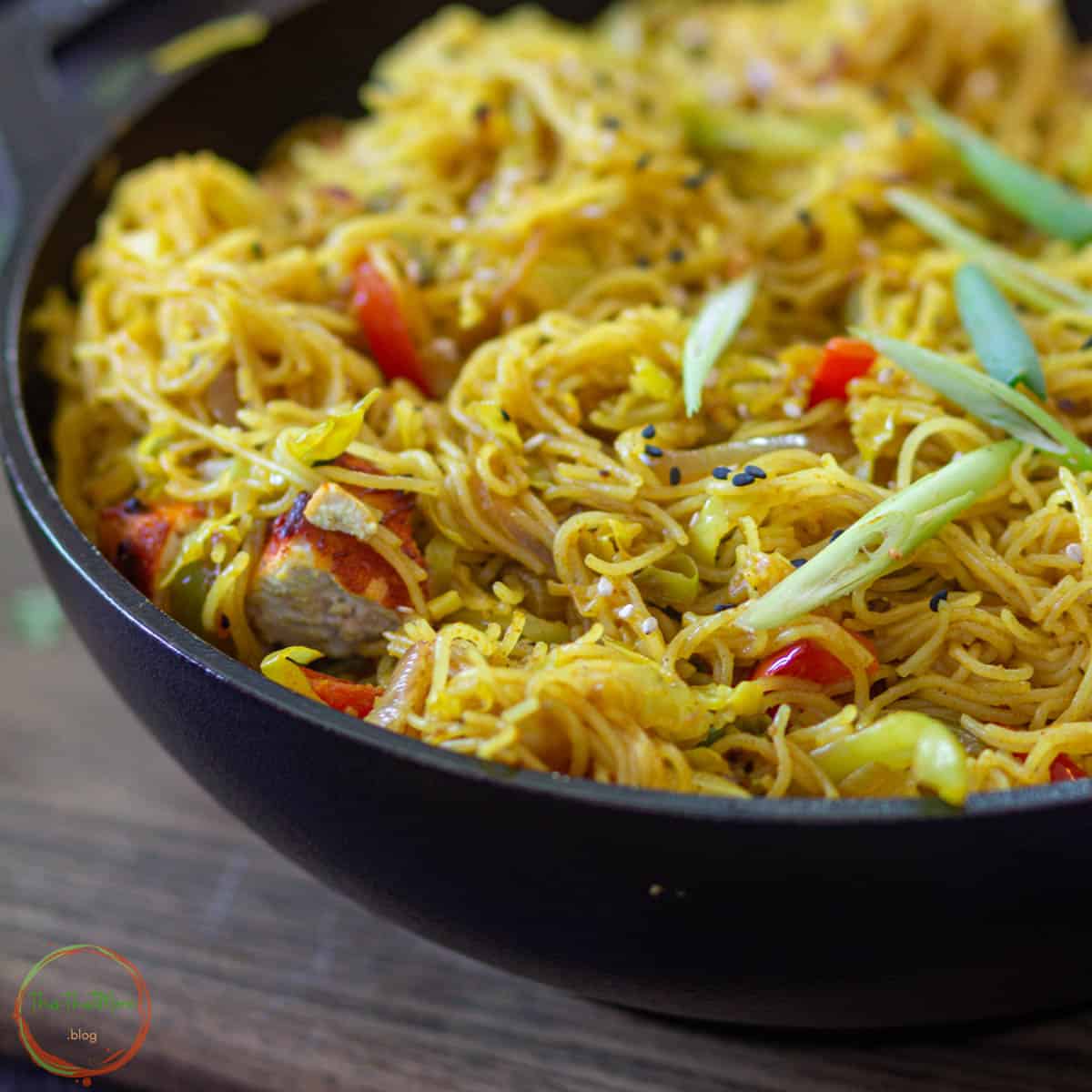
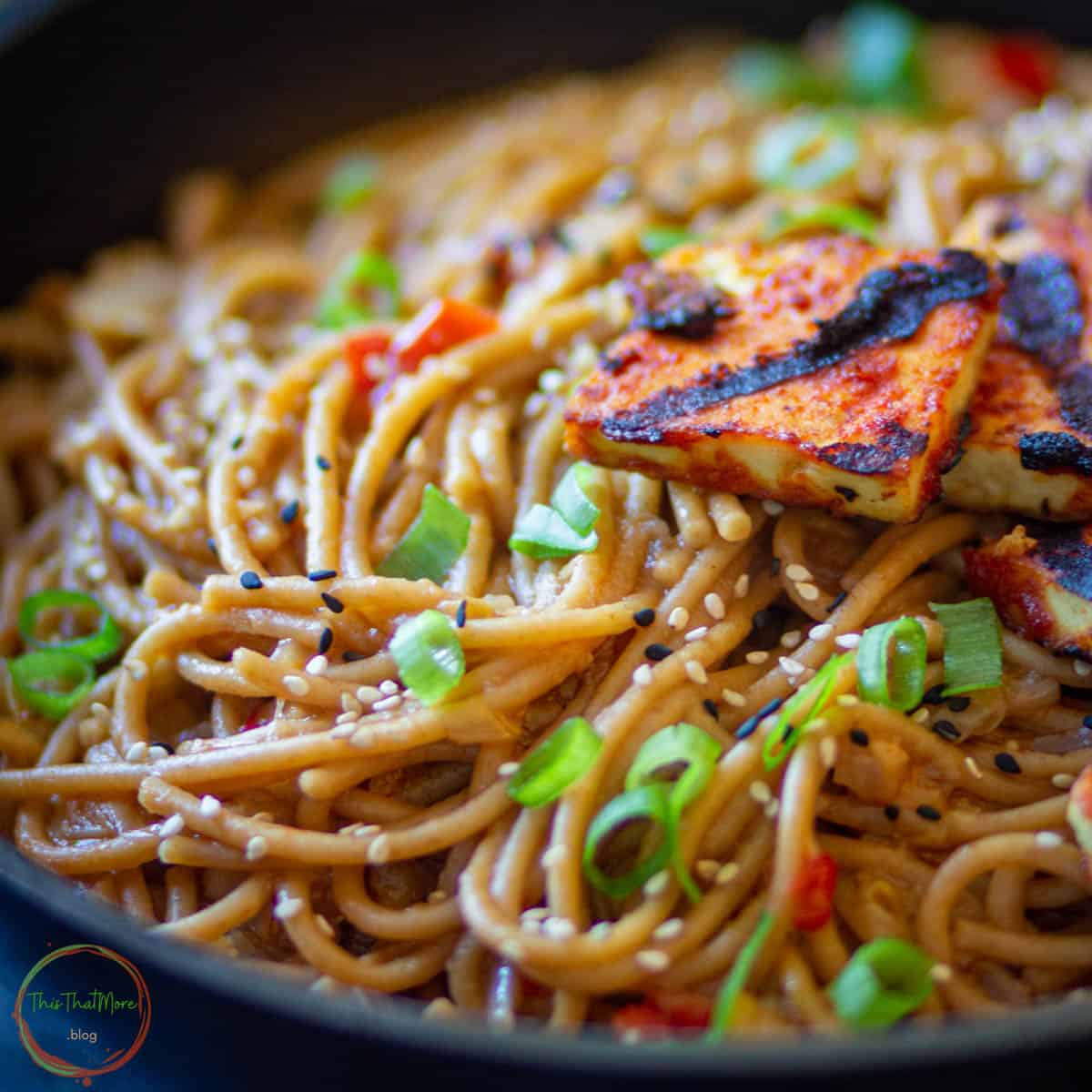
Unlike classic stir-fry noodles like Pad Thai, Chow Mein, or Singapore Noodles-which are tossed quickly in a hot, dry wok-these noodles are submerged in a luxurious, saucy curry base made with curry paste and coconut milk. It's essentially a cross between a rich curry and a comforting noodle soup.
Why Tofu Works Perfectly in Curry
If you want a high-protein vegan Thai red curry, tofu is your absolute best friend. It acts like a culinary sponge, absorbing the aromatic flavors of ginger, garlic, and lemongrass from the curry sauce while holding its shape beautifully. You can also try Tofu Bhurji (scrambled tofu), which makes a high-protein breakfast.
Tofu is an excellent plant-based protein, and understanding its health benefits can help you see why it's such a nutritious addition to this dish.
The Secret to Texture: Always reach for extra-firm tofu. It has the lowest moisture content, allowing you to pan-sear it until perfectly golden and crisp before it takes a bath in the curry sauce, or just add it to the sauce and boil it.
Are Thai Curry Noodles Healthy?
They absolutely can be! When you make them at home using whole-food ingredients, you get a beautifully balanced, nutrient-dense meal:
- If you're looking for another easy vegan meal idea, try my high-protein tofu roti made with whole wheat atta and blended tofu..
- Fiber-rich vegetables to keep you full and satisfied.
- Healthy fats from the coconut milk base.
- Gluten-free rice noodles for an allergy-friendly option.
🏃♂️ Quick Weight-Loss Summary: Want a lighter version? Swap in light coconut milk, double up on the high-fiber veggies (like broccoli and spinach), and slightly reduce the portion of noodles in your bowl.
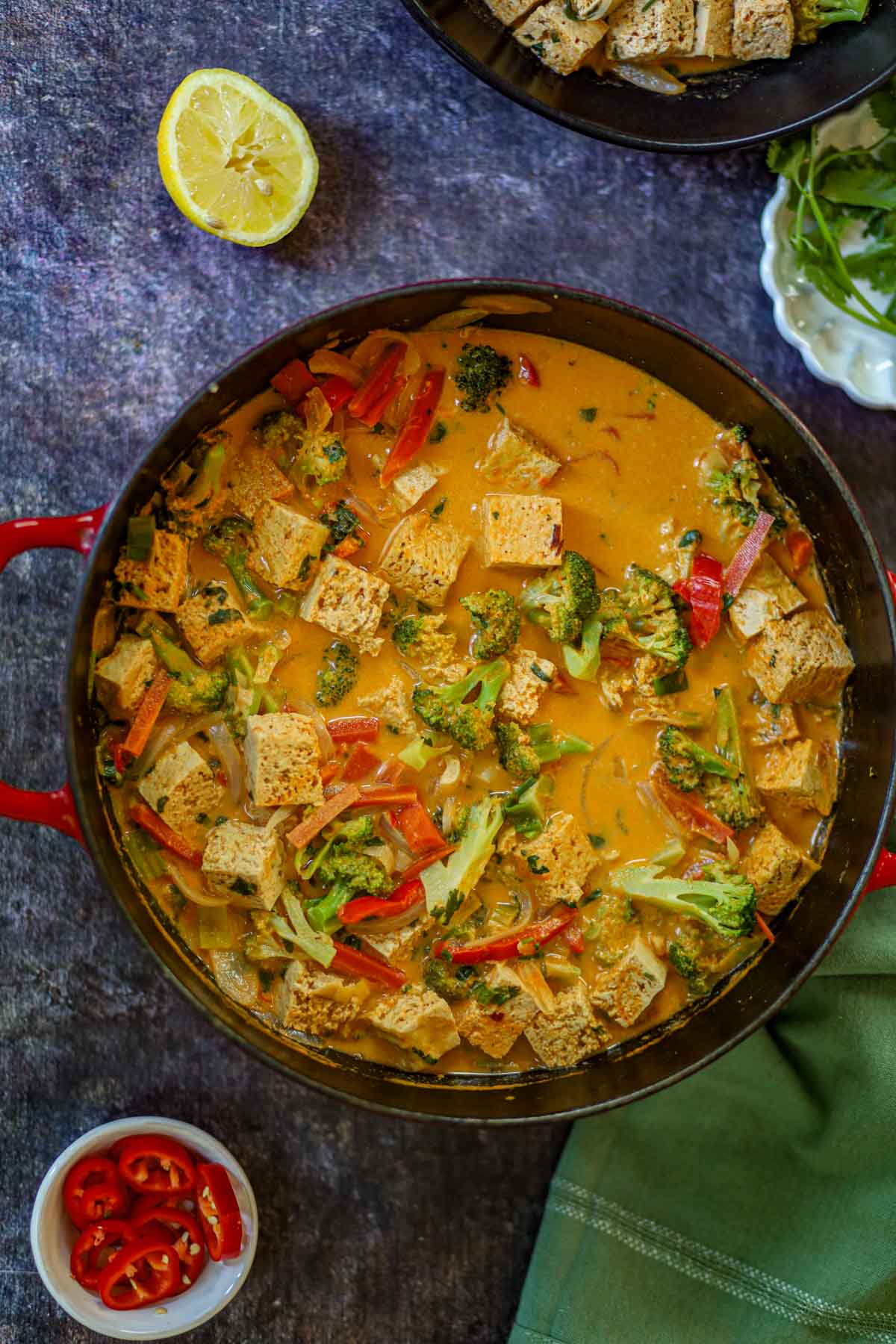
The Instant Pot Flavor Hack (Optional Method)
If you love a "dump-and-start" meal but are worried about your veggies turning to mush, I have great news. You can absolutely make this recipe in your pressure cooker! In fact, Instant Pot Thai curry tofu is a total game-changer for deep flavor.
The secret is to leave the rice noodles out of the pot entirely. By pressure cooking just the coconut curry sauce, aromatics, and extra-firm tofu together, you force those incredible Thai flavors deep into the tofu cubes. They turn into absolute flavor sponges in a fraction of the time.
(Check out the precise Instant Pot instructions in the recipe breakdown below!)
Why You'll Love This Recipe
- Ready in just 30 minutes
- Easy vegetarian dinner for busy weeknights
- Packed with 20g of plant-based protein
- Better than takeout
- Naturally dairy-free
- Easy to customize with your favorite vegetables
- Perfect for meal prep
Ingredients You'll Need
- Extra-Firm Tofu: Extra-firm tofu is the star protein in this healthy tofu recipe. It adds about 20 grams of plant-based protein per serving and absorbs the bold Thai-inspired flavors beautifully.
- Rice Noodles: Rice noodles are my favorite choice because they soak up the creamy Thai red curry sauce beautifully while keeping this recipe naturally gluten-free. You can also use ramen, udon, or soba noodles if preferred.
- Coconut Milk: Coconut milk is what gives these creamy coconut curry noodles their rich texture and signature flavor. Use full-fat coconut milk for an ultra-creamy sauce or light coconut milk if you're looking for a lighter, healthy noodle recipe. Coconut milk adds creaminess and flavor, and you can explore the nutritional benefits of coconut milk to better understand its role in this recipe.
- Fresh Vegetables: A high-protein Thai curry loves fresh veggies. Grab whatever you have in the crisper drawer-broccoli, bell peppers, snap peas, and carrots are my personal favorites.
- Aromatics & Seasonings: Fresh ginger, garlic, green onions, fresh lime juice, a splash of soy sauce (or tamari), and a touch of maple syrup to balance the heat.
Step-by-Step: How to Make Creamy Thai Curry Noodles
Choose your preferred kitchen setup below! Both methods come together in about 30 minutes and deliver unbelievable flavor.
Method 1: The Traditional Stovetop Way
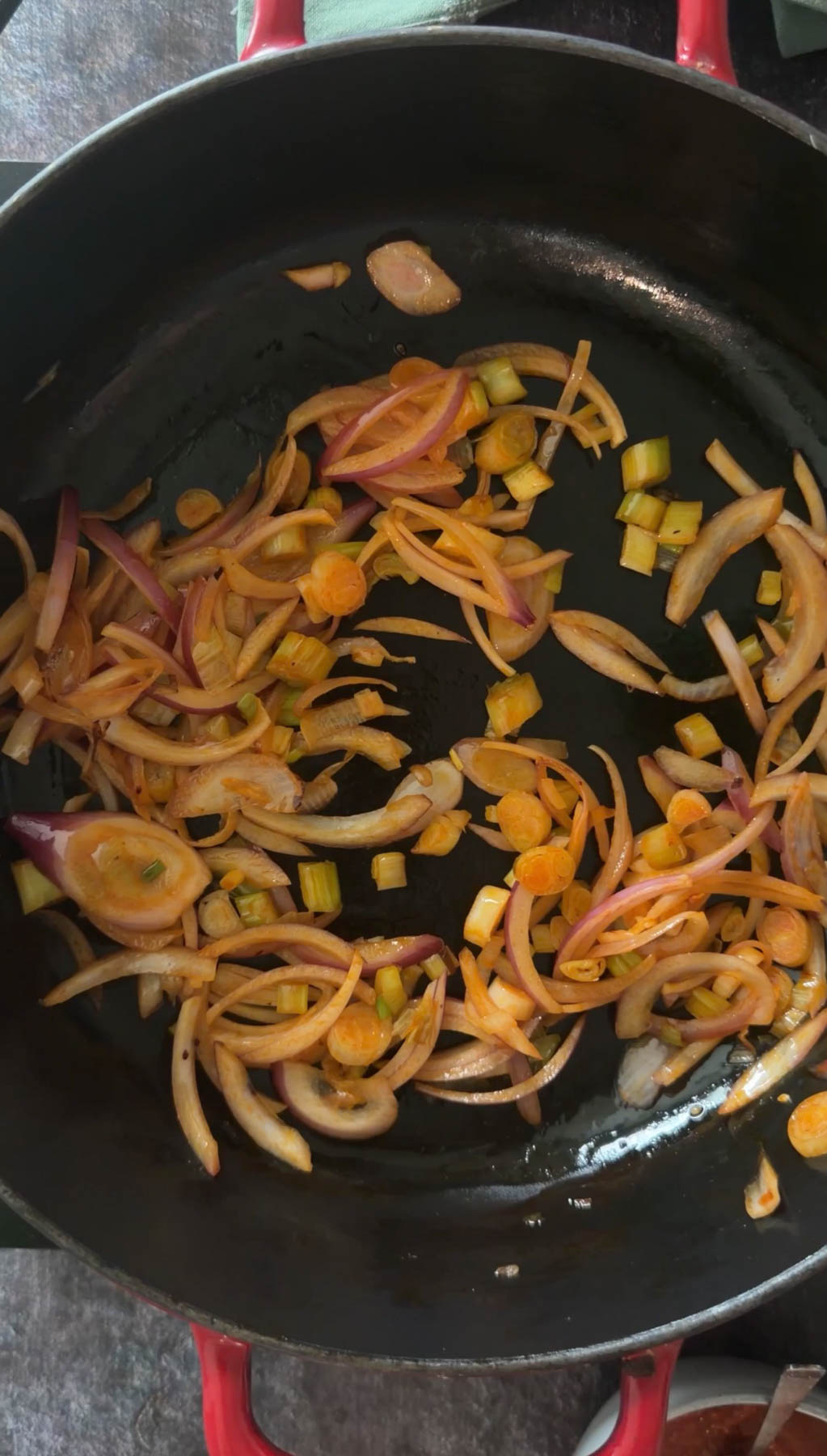
- Step 1 - Build the Aromatic Base: In the pot, add onion and sauté for 3-4 minutes until softened. Stir in the fresh garlic and ginger, cooking for about 30 seconds until your kitchen smells amazing.
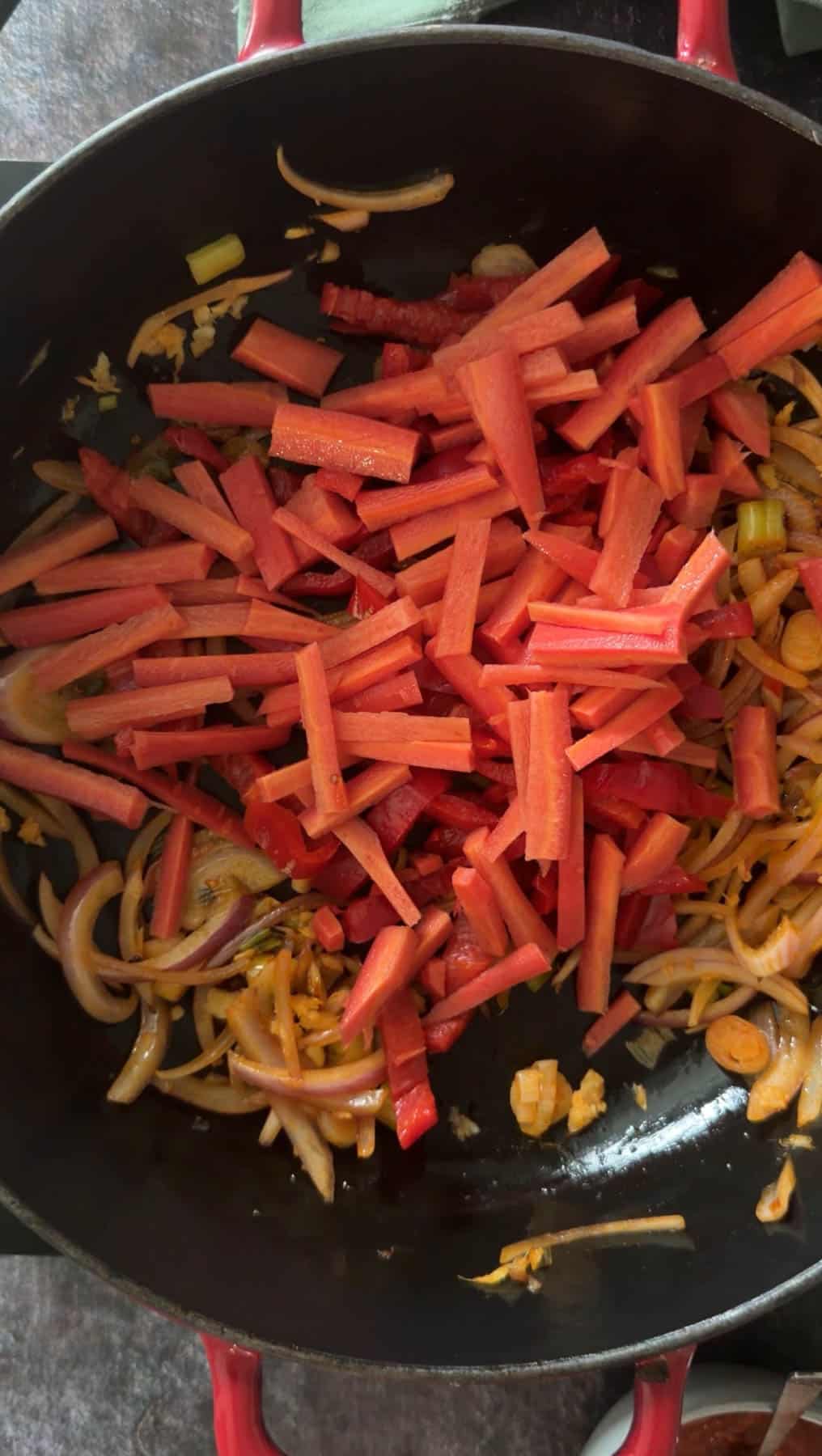
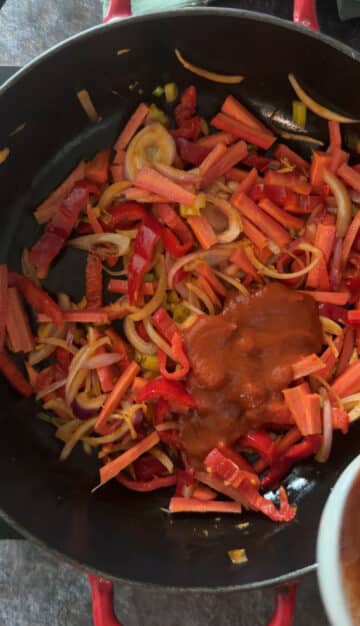
2. Step 2 - Add veggies: Add colorful veggies like carrots and bell peppers and sauté for 2- 3 minutes.
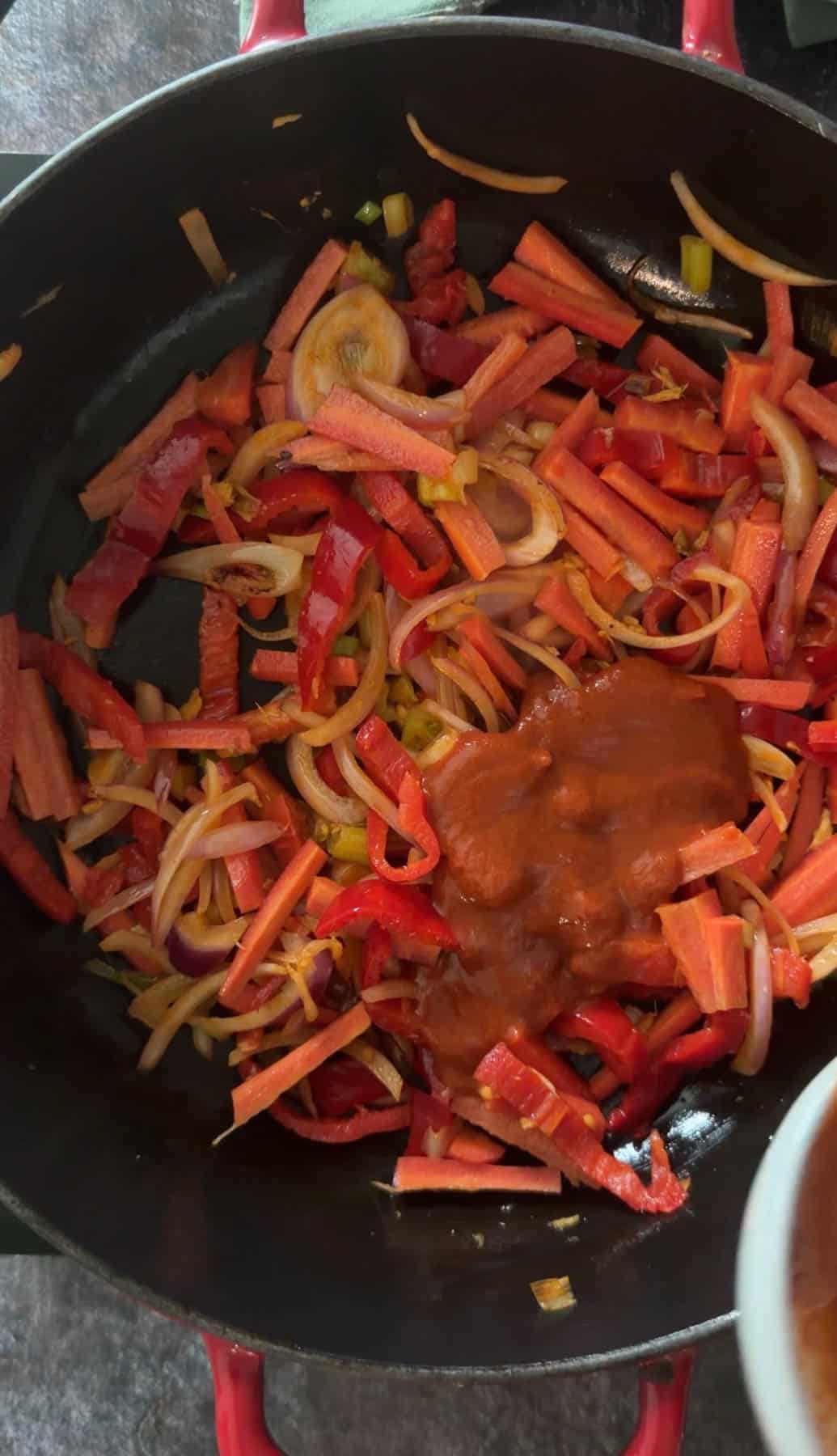
3. Step 3 - Add curry sauce: Mix red curry paste, maple syrup, and tamari sauce/soy sauce and mix until well combined. Then add this sauce to the pot with the sautéed vegetables.
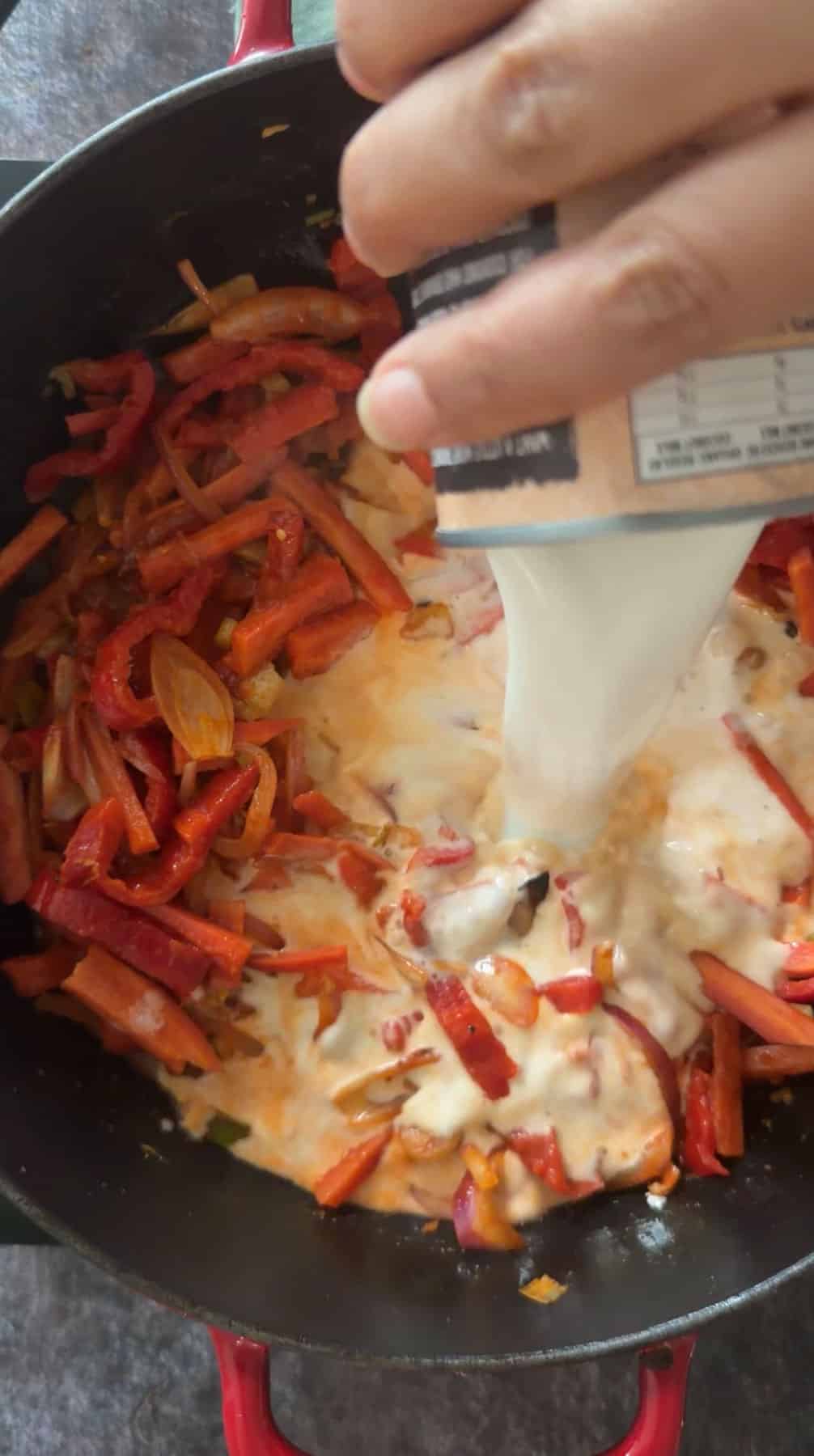
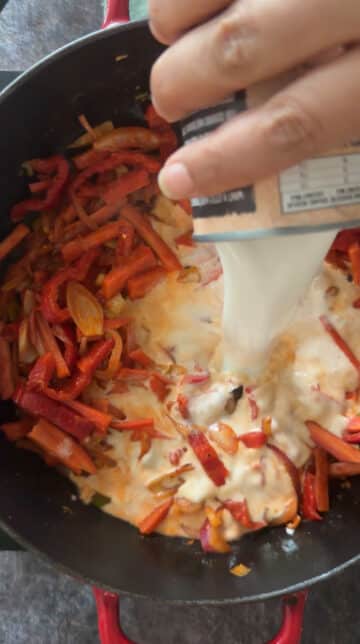
4. Step 4 - Simmer the Creamy Curry Sauce: Pour in the canned coconut milk and vegetable broth, whisking gently until the curry paste completely dissolves into the liquid. Add lemon juice and bring the mixture to a gentle, steady simmer.
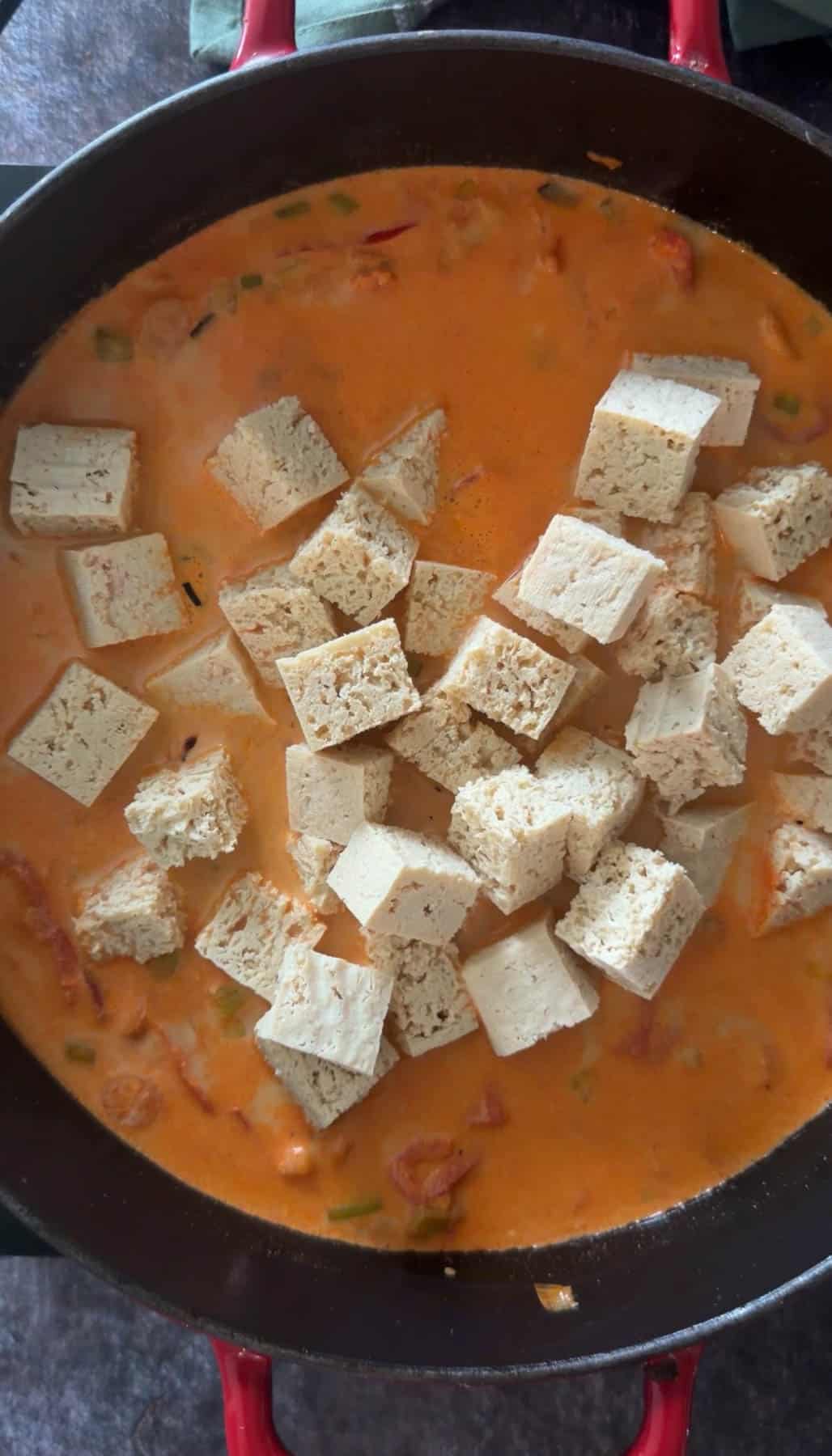
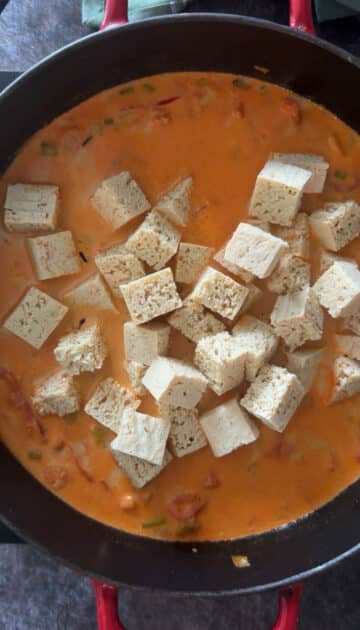
5. Step 5 - Add Tofu: Next, add firm tofu to the curry and simmer for 10-15 minutes or until tofu absorbs the flavor.
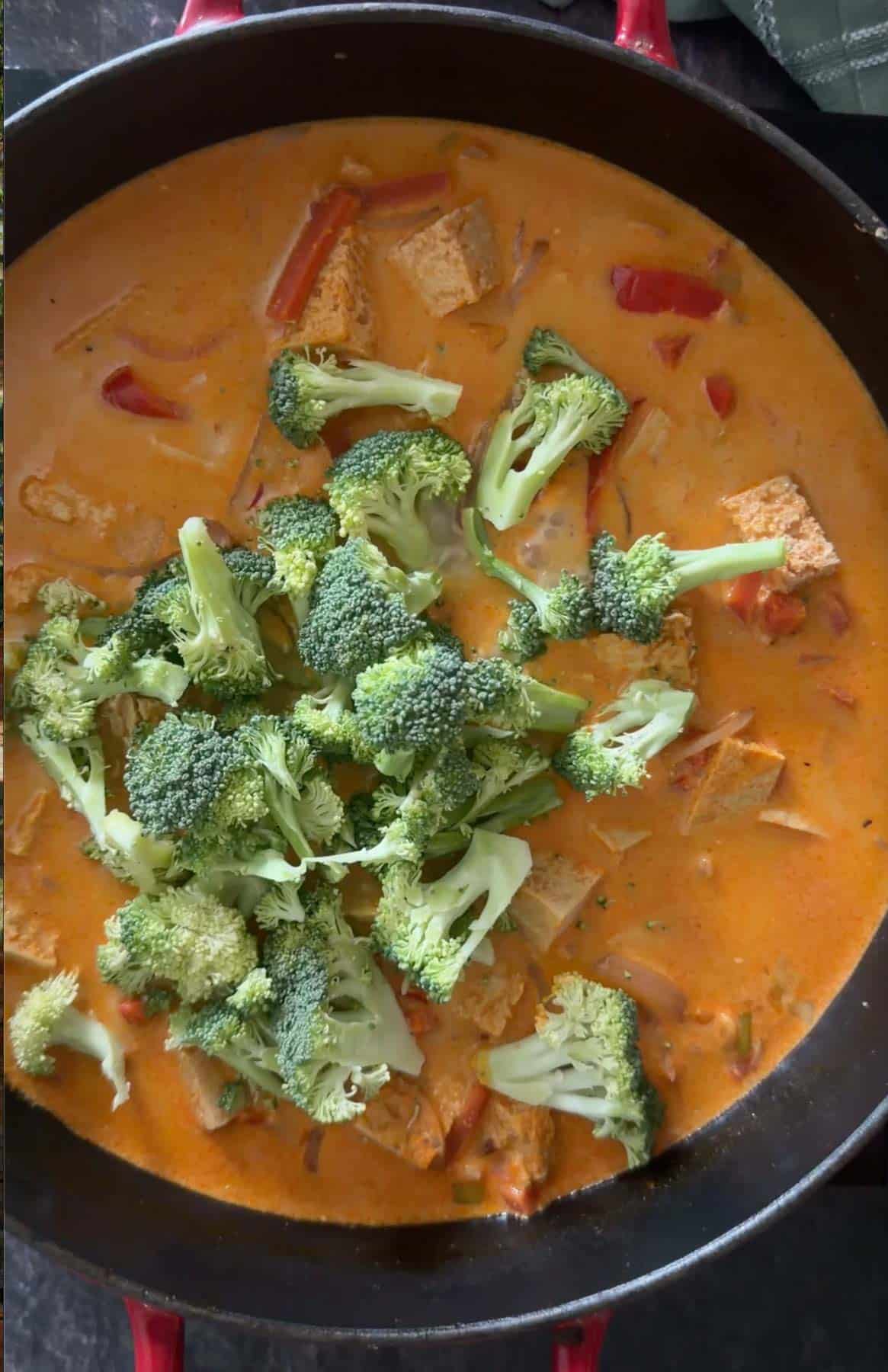
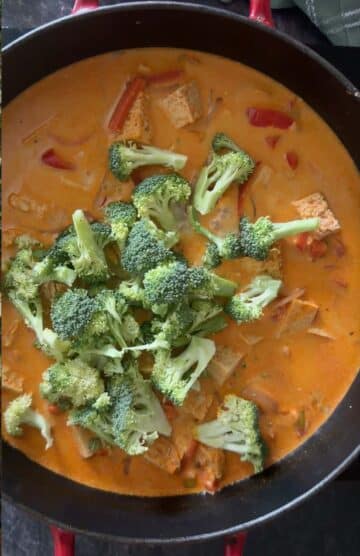
6. Step 6 - Add broccoli: When the curry is almost done, toss in the sturdier veggies like broccoli or snap peas. Let them simmer for 5-7 minutes until they are crisp-tender.
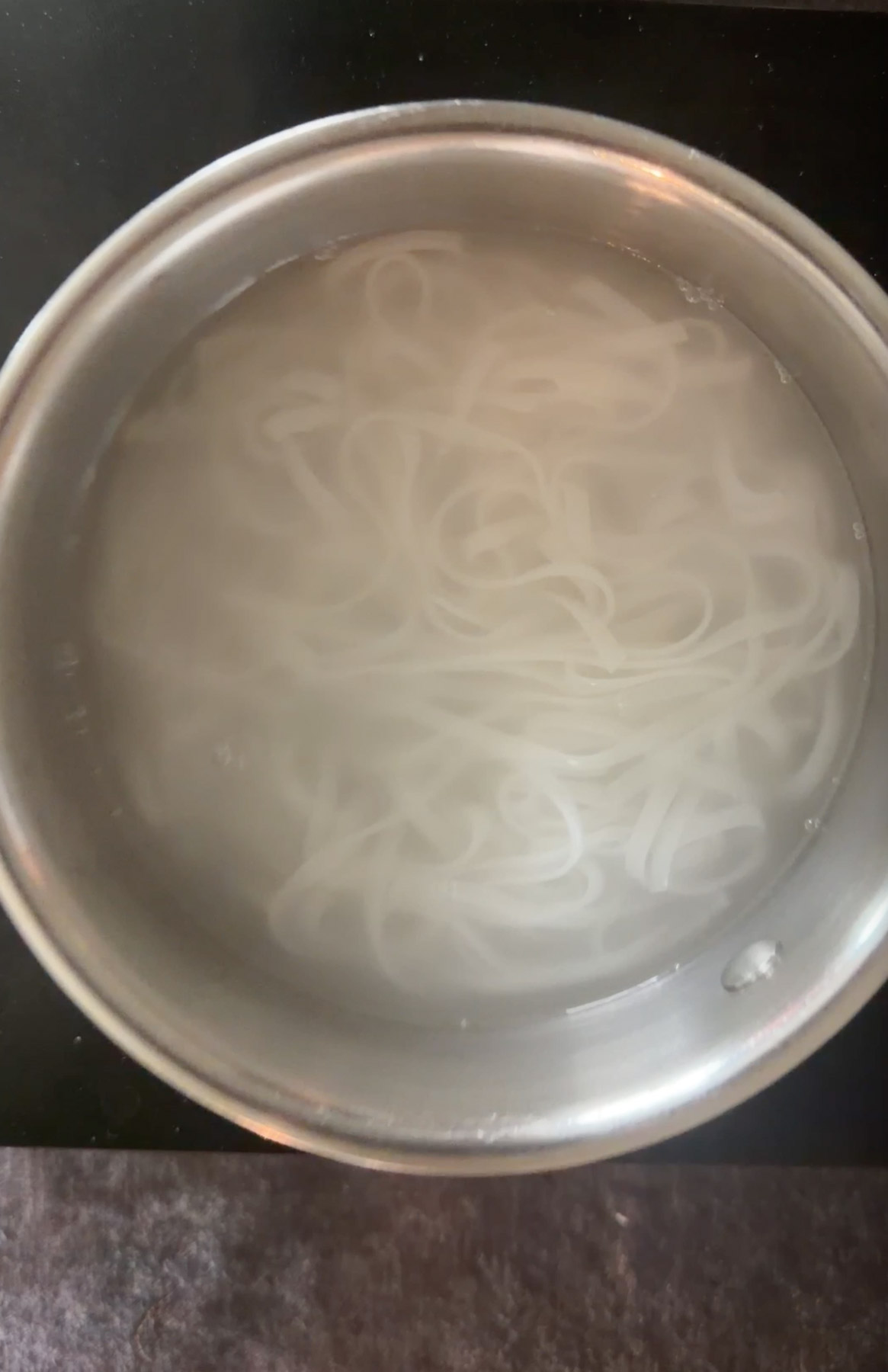
7. Step 5: Cook the Noodles: While your curry sauce is bubbling away, prepare the rice noodles in a separate pot according to the package directions. Drain them and give them a quick rinse under cool water to stop the cooking process immediately.
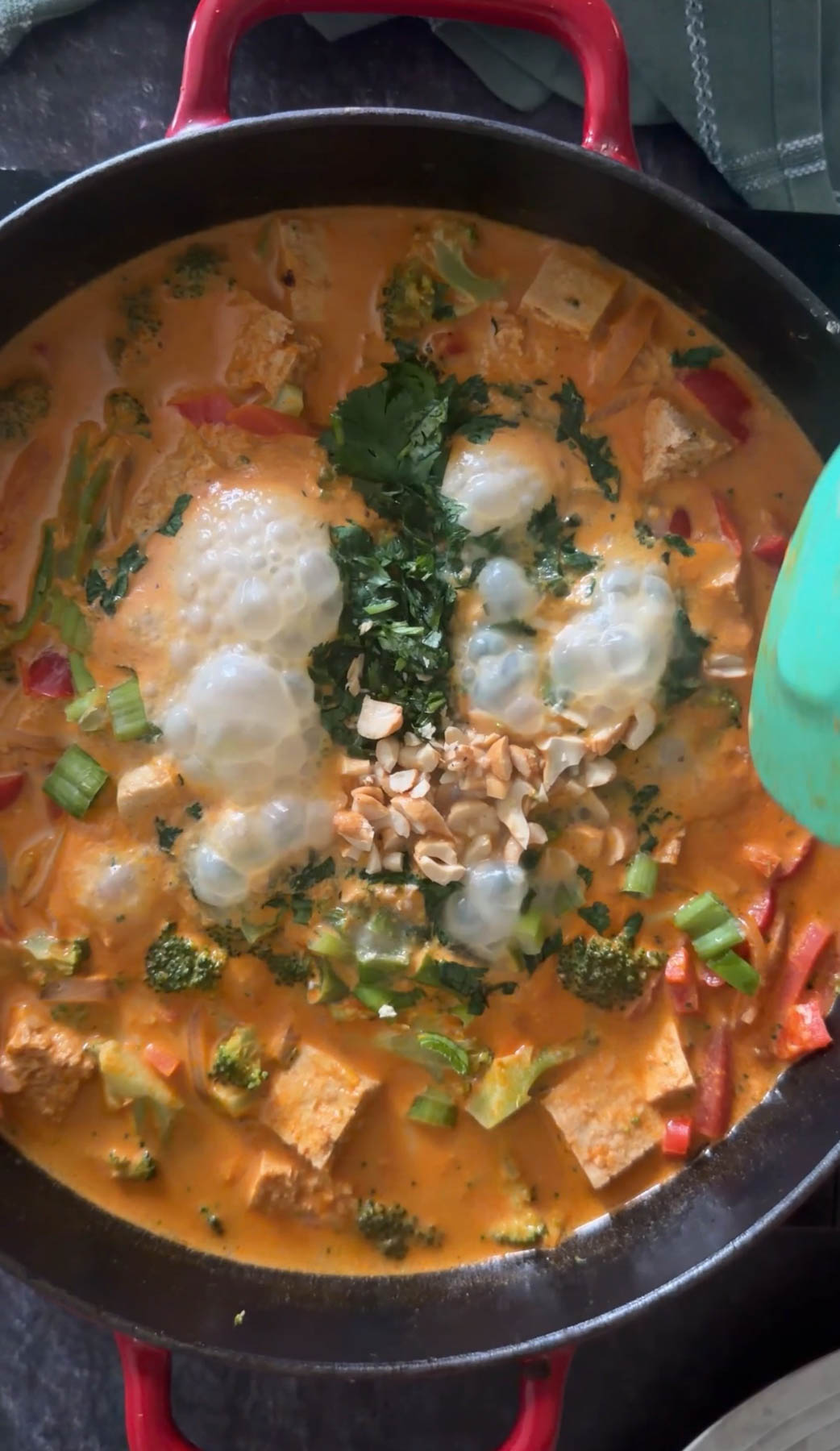
8. Step 6: Combine and Serve! Add the cooked noodles directly into the warm curry sauce and toss gently until every strand is beautifully coated. Serve immediately, piled high with fresh cilantro, sliced green onions, lime wedges, and a handful of crushed peanuts.
Method 2: The Instant Pot Pressure Cooker Way
- Step 1: Sauté the Aromatics: Set your Instant Pot to 'Sauté' mode and add a splash of oil. Saute onion, bell peppers, ginger, garlic, and carrots.
- Step 2: Pressure Cook the Base: Pour in the coconut milk, vegetable broth, maple syrup, soy sauce, lime juice, and Thai curry paste. Add the tofu to the pot. Close the lid, turn the valve to 'Sealing', and select Manual High Pressure for 5 minutes.
- Step 3: Quick Release & Finish: As soon as the timer beeps, perform a Quick Pressure Release immediately. Remove the lid and switch the pot to the 'Keep Warm' setting. Stir in your delicate greens (like snap peas or spinach or broccoli) and let them wilt for 2 minutes.
- Step 4: Pour & Slurp: While the pot is coming to pressure, boil your rice noodles separately on the stovetop. Drain them, place them into your serving bowls, and ladle the ultra-flavorful, pressure-infused curry sauce and tofu right over the top.
Expert Tips for the Best Thai Curry Noodles
- Cook the Noodles Separately: For best results, follow these tips for cooking rice noodles so they don't overcook or stick.
- Adjust the Sauce's Thickness: Add a splash of broth if the sauce is too thick. If the curry is too thin, cook it for a few more minutes before adding noodles.
- Finish with Fresh Lime Juice: Don't forget to add a splash of lemon juice to enhance the dish's flavor.
- Taste Before Serving: Taste the curry before serving and adjust the seasoning to suit your taste. Maybe add chili oil or a spicier flavor, lemon juice for a tangy note, and green onions or cilantro to brighten the flavor.
Common Mistakes to Avoid
- Overcooking the Rice Noodles: Nobody wants a bowl of mush. Keep a close eye on your noodle pot!
- Adding Too Much Curry Paste at Once: Some store-bought curry pastes are saltier and spicier than others. Start with 1-2 tablespoons, taste the sauce, and build the heat gradually.
- Skipping the Aromatics: Dried ginger or garlic powder just won't cut it here. Fresh garlic, ginger, and green onions are non-negotiable for that authentic flavor.
- Storing Leftovers Fully Mixed: If you store the noodles sitting directly in the liquid, they will drink up all your delicious curry sauce overnight and turn into a soggy block. Keep them in separate containers!
How to Fix Common Thai Curry Problems
| Problem | How to Fix It |
|---|---|
| 🌶️ Curry is too spicy | Stir in a little more coconut milk to mellow the heat. Add an extra teaspoon of maple syrup if needed, or serve with additional rice noodles to balance the spice. |
| 🥥 Curry is too thick | Gradually stir in ¼ cup vegetable broth or water at a time until the sauce reaches your desired consistency. |
| 🍜 Curry is too thin | Simmer the curry uncovered for a few extra minutes to reduce the sauce. Wait to add the noodles until the curry has thickened. |
| 🧂 Curry is too salty | Add a splash of coconut milk or vegetable broth, squeeze in fresh lime juice, or stir in extra vegetables to balance the seasoning. |
| 🍝 Rice noodles are mushy | Cook the noodles separately according to the package directions, rinse briefly with cool water, and add them to the curry just before serving. Store noodles and curry separately for leftovers. |
| 😕 Curry tastes flat | Brighten the flavors with fresh lime juice, a splash of soy sauce or tamari, fresh ginger, cilantro, green onions, or an extra teaspoon of red curry paste if you prefer more depth and spice. |
Flavor Variations to Try
- Green Curry Noodles: Swap the red paste for green curry paste for a brighter, more herb-forward flavor. This pairs beautifully with green veggies like zucchini and spinach.
- Yellow Curry Noodles: Yellow curry paste is milder, sweeter, and has a distinct hint of turmeric. It's perfect if you prefer a lower heat level.
- High-Protein Boost: Want to maximize the muscle fuel? Use a full 16-ounce block of tofu and stir a cup of steamed edamame into the curry sauce at the very end.
- Thai Curry Noodle Soup: If you prefer a loose, soupy style, simply add an extra 1 to 2 cups of vegetable broth to the base.
- Make It Even Higher in Protein: For an even more protein-packed dinner, stir in a cup of shelled edamame during the final few minutes of cooking. It pairs perfectly with the tofu and adds extra texture.
For reference, the recommended daily protein intake for adults can help you understand how this meal contributes to your daily nutritional needs.
Customize This Recipe for Your Lifestyle
Whether you're meal prepping, looking for more protein, or prefer a milder curry, this recipe is easy to customize.
| If you want... | Try this |
|---|---|
| More protein | Add an extra block of tofu or stir in 1 cup of shelled edamame. |
| A milder curry | Reduce the red curry paste to 1 tablespoon and add a little extra coconut milk. |
| More heat | Add more curry paste, chili flakes, or chili crisp before serving. |
| A lighter meal | Use light coconut milk and increase the vegetables while slightly reducing the noodles. |
| Gluten-free | Use rice noodles and tamari instead of soy sauce. |
| Meal prep | Store the curry and noodles separately and combine them just before serving. |
| More vegetables | Add mushrooms, baby spinach, bok choy, zucchini, bamboo shoots, or baby corn. |
| A richer curry | Use full-fat coconut milk for an extra creamy sauce. |
Best Vegetables for Thai Curry Noodles
This recipe is the ultimate fridge-clearing meal. You can throw in almost any vegetable you have on hand, but here are the ones that work best in this specific curry base:
- Bell Peppers: Red, yellow, or green peppers add a beautiful pop of color and natural sweetness.
- Broccoli Florets: The little trees act like mini sponges, absorbing the rich curry sauce perfectly.
- Mushrooms: Sautéed sliced mushrooms add a wonderful savory, earthy note to the dish.
- Carrots: Julienne or thinly slice them for a sweet, crunchy bite.
- Leafy Greens: Stir a handful of baby spinach or chopped bok choy into the hot curry just a minute before serving-they wilt instantly in the residual heat.
- You can also add edamame, baby corns, chestnuts, bamboo shoots, zucchini, squash, etc., to get structure to the curry base.
What to Serve with Curry Noodles
While this noodle bowl is completely satisfying on its own, you can elevate it into a full restaurant-style spread with these simple sides:
- Thai Cucumber Salad: A crisp, tangy salad that balances out the warm, rich spices of the curry.
- Fresh Spring Rolls: Crunchy vegetable fresh rolls with a peanut dipping sauce are a match made in heaven.
- Steamed Edamame: Tossed with a little sea salt, this adds a great textural contrast and an extra layer of easy plant protein.
- Sweet Mango Salad: The bright, tropical sweetness of fresh mango or pineapple cuts through the savory coconut milk beautifully.
- Pineapple Fried Rice: A sweet-and-spicy fried rice recipe featuring pineapple, another delicious vegetarian dish.
Storage and Meal Prep Tips
How to Store Leftovers
You can store the leftover curry sauce in an airtight container in the refrigerator for up to 4 days. Remember: Store the noodles and the curry sauce in separate containers so the noodles don't absorb all the liquid.
How to Reheat
Warm the curry sauce on the stovetop or in the microwave. If it thickened up too much in the fridge, simply stir in a splash of vegetable broth or water to bring back that glossy, saucy consistency. Drop your cold noodles in at the very end just to warm them through.
Can You Freeze Thai Curry?
Yes! You can freeze the prepared curry sauce (with the vegetables and tofu) in a freezer-safe container for up to 3 months. Do not freeze the rice noodles. When you are ready to eat, defrost the sauce overnight in the fridge, heat it up, and boil a fresh batch of noodles to mix in.
Frequently Asked Questions
Yes, you can absolutely use light coconut milk to save on calories. Keep in mind that the sauce will be slightly thinner and less rich, but it will still taste incredibly flavorful.
The easiest way to tone down the heat is to reduce the amount of red curry paste to 1 tablespoon, and add an extra splash of coconut milk or a tiny pinch of extra maple syrup to mellow out the flavors.
I highly recommend cooking them separately. Cooking rice noodles directly in the curry sauce releases starch into the liquid, which can make your sauce gummy and cause the noodles to overcook quickly.
Yes. While you will lose that traditional flavor profile, you can substitute it with another creamy plant-based milk (like oat milk) combined with a tablespoon of cashew cream or a dollop of smooth peanut butter to mimic the richness.
More Asian-Inspired Vegetarian Recipes
- TRICOLOR PASTA SALAD RECIPE
- THAI NOODLE SALAD WITH PEANUT SAUCE
- VEGAN PESTO PASTA RECIPE
- LEMON ORZO SALAD WITH ASPARAGUS & ARUGULA
Did you try these Thai Curry Noodles with Tofu? I'd love to hear how it turned out! 🌶️🍜
Did you make it extra spicy, swap in different veggies, or add your own twist? Drop a comment below and share your version-I might feature your idea in a future recipe!
Creamy Thai Curry Noodles with Tofu
Ingredients
Equipment
Method
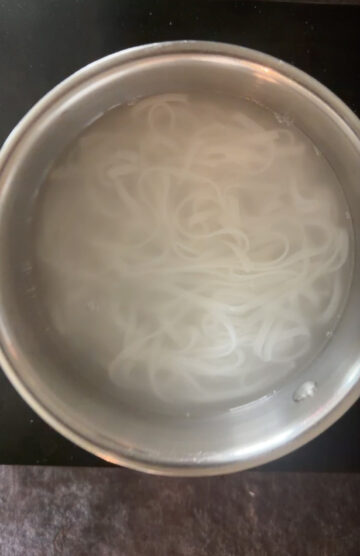
- Bring a pot of water to a boil and cook the rice noodles according to the package directions. Drain, rinse with cold water, and set aside.8 ounces rice noodles

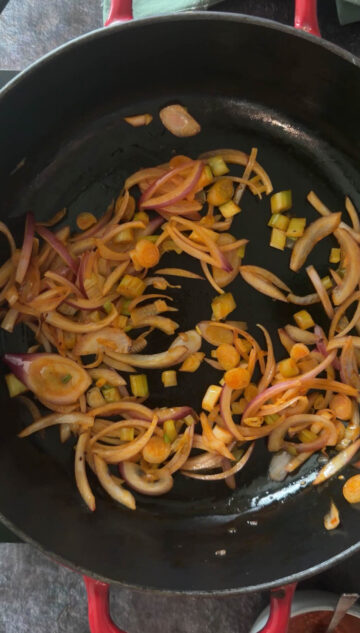
- Heat the oil in a large skillet over medium heat. Add the onion, garlic, ginger, carrots, and the white parts of the green onions. Cook for 3-4 minutes until fragrant.1 tablespoon chili oil, 1 small red onion, 3 cloves garlic , 1 tablespoon fresh ginger, 2 green onions

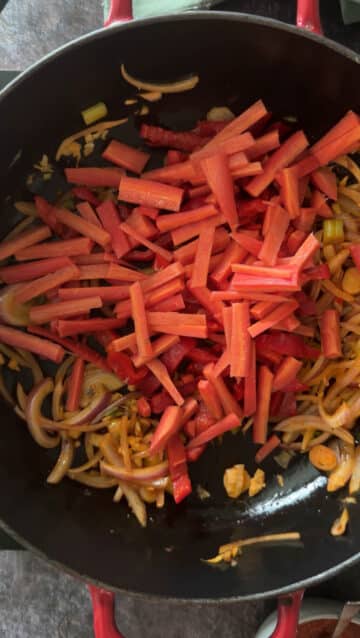
- Stir in the sliced red bell pepper and carrots, and cook for another 2 minutes.1 large carrot, 1 red bell pepper

- In a bowl, add red curry paste, soy sauce/tamari, and maple syrup. Mix until well combined, then add the curry paste to the pot and cook for 1 minute, stirring constantly to toast the spices.3 tablespoons Thai red curry paste, 1 tablespoon soy sauce, 1 teaspoon maple syrup or brown sugar

- Pour in the coconut milk and vegetable broth. Stir until smooth, and let it come to a boil.1 13.5-ounce can full-fat coconut milk, 1.5 cup vegetable broth

- Add the tofu and simmer for 5-10 minutes.14 ounces extra-firm tofu

- Stir in the broccoli florets and continue simmering for another 4-5 minutes, or until tender-crisp.2 cups broccoli florets
- Garnish with cilantro, chopped peanuts, green onions, lemon juice, and sliced chilies if desired.Juice of ½ lime, Fresh cilantro, Chopped roasted peanuts, Sliced green onions, Red chili slices

- Divide the cooked rice noodles among serving bowls. Ladle the curry over the noodles. Adjust the seasoning if needed and enjoy!
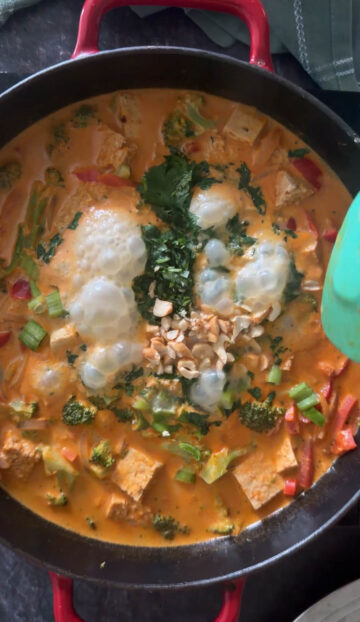
Instant Pot Instructions
- Select Sauté and heat the oil. Cook the onion, garlic, ginger, carrots, and green onions for 3-4 minutes.1 tablespoon chili oil, 1 small red onion, 3 cloves garlic , 1 tablespoon fresh ginger, 2 green onions
- Stir in the bell pepper, carrots, and Thai red curry paste; cook for 1 minute.1 large carrot, 1 red bell pepper, 3 tablespoons Thai red curry paste
- Add the coconut milk, vegetable broth, soy sauce, and maple syrup.1 13.5-ounce can full-fat coconut milk, 1.5 cup vegetable broth, 1 tablespoon soy sauce, 1 teaspoon maple syrup or brown sugar
- Stir in the tofu. Lock the lid and cook on High Pressure for 5 minutes, then perform a quick release.14 ounces extra-firm tofu
- Stir in the broccoli, and let it sit on Keep Warm for 2-3 minutes until tender-crisp.2 cups broccoli florets
- Finish with lime juice, cilantro, green onions, and chopped peanuts.Juice of ½ lime, Fresh cilantro, Chopped roasted peanuts
- Serve over separately cooked rice noodles.Note: Always cook the rice noodles separately. They become mushy if pressure-cooked with the curry.
Video
Nutrition
Notes
- Press the tofu for at least 20 minutes before cooking for the best texture.
- Don't overcook the broccoli-it should stay bright green and slightly crisp.
- Use full-fat coconut milk for the creamiest sauce.
- Add more vegetable broth if you prefer a thinner curry.
- This recipe is naturally vegetarian and can easily be made gluten-free by using tamari and gluten-free rice noodles.
- Store the curry and noodles separately to keep the noodles from soaking up all the sauce.
Variations
- Add mushrooms, snap peas, baby corn, spinach, or bok choy.
- Swap tofu for chickpeas, edamame, or tempeh.
- Use green curry paste instead of red curry paste.
- Add a spoonful of peanut butter for a richer peanut curry.
- Increase the curry paste or add sriracha for extra heat.
Storage
- Refrigerate leftover curry for up to 4 days.
- Freeze the curry (without noodles) for up to 2 months.
- Reheat gently on the stovetop or in the microwave, adding a splash of broth if the sauce thickens.

Sunny says
amazing taste !