
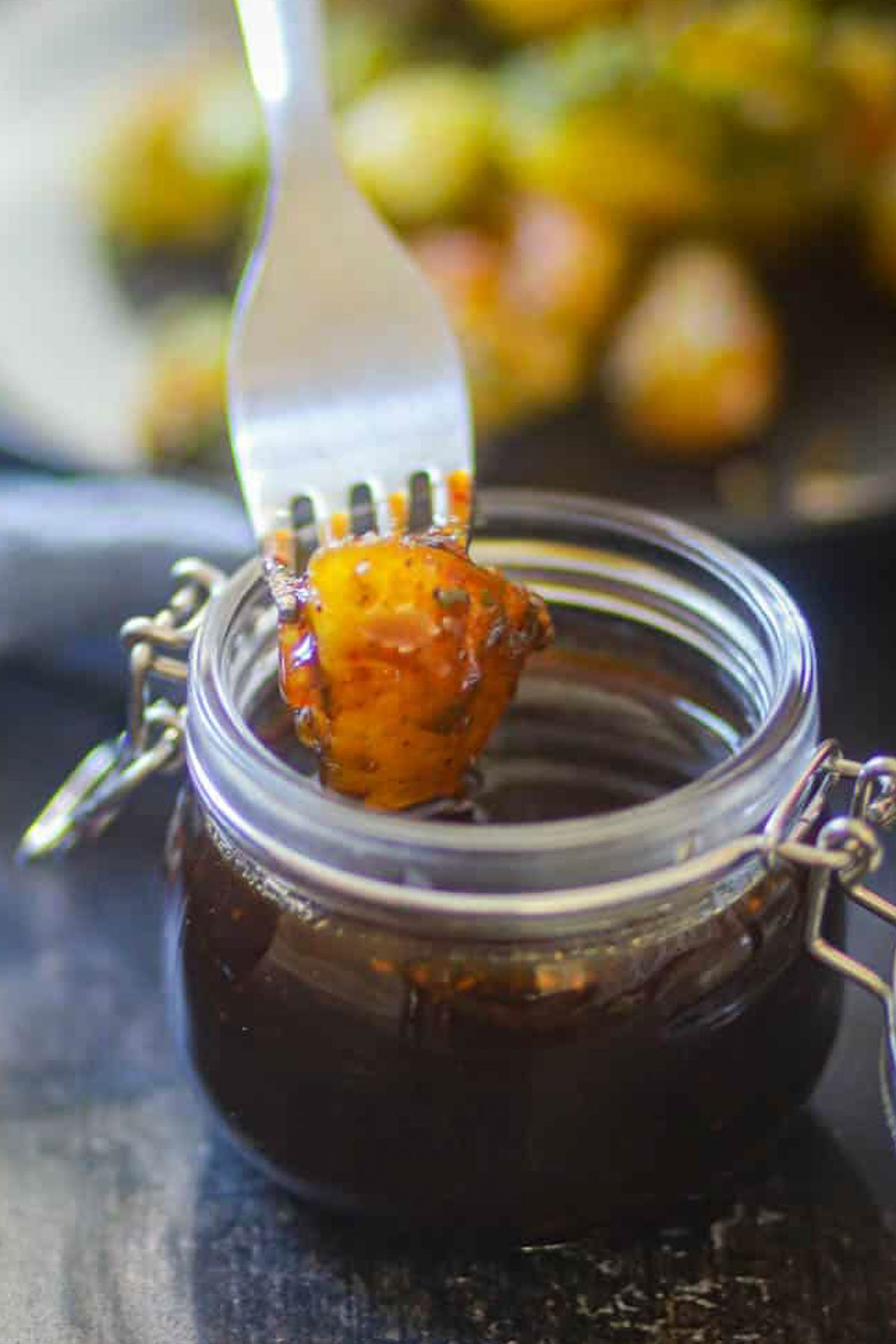
This tamarind chutney is sweet, tangy, lightly spicy, and full of warm Indian spices. I make it with tamarind, jaggery or sugar, roasted cumin, black salt, fennel, ajwain, garam masala, chili flakes, melon seeds, and a pinch of hing.
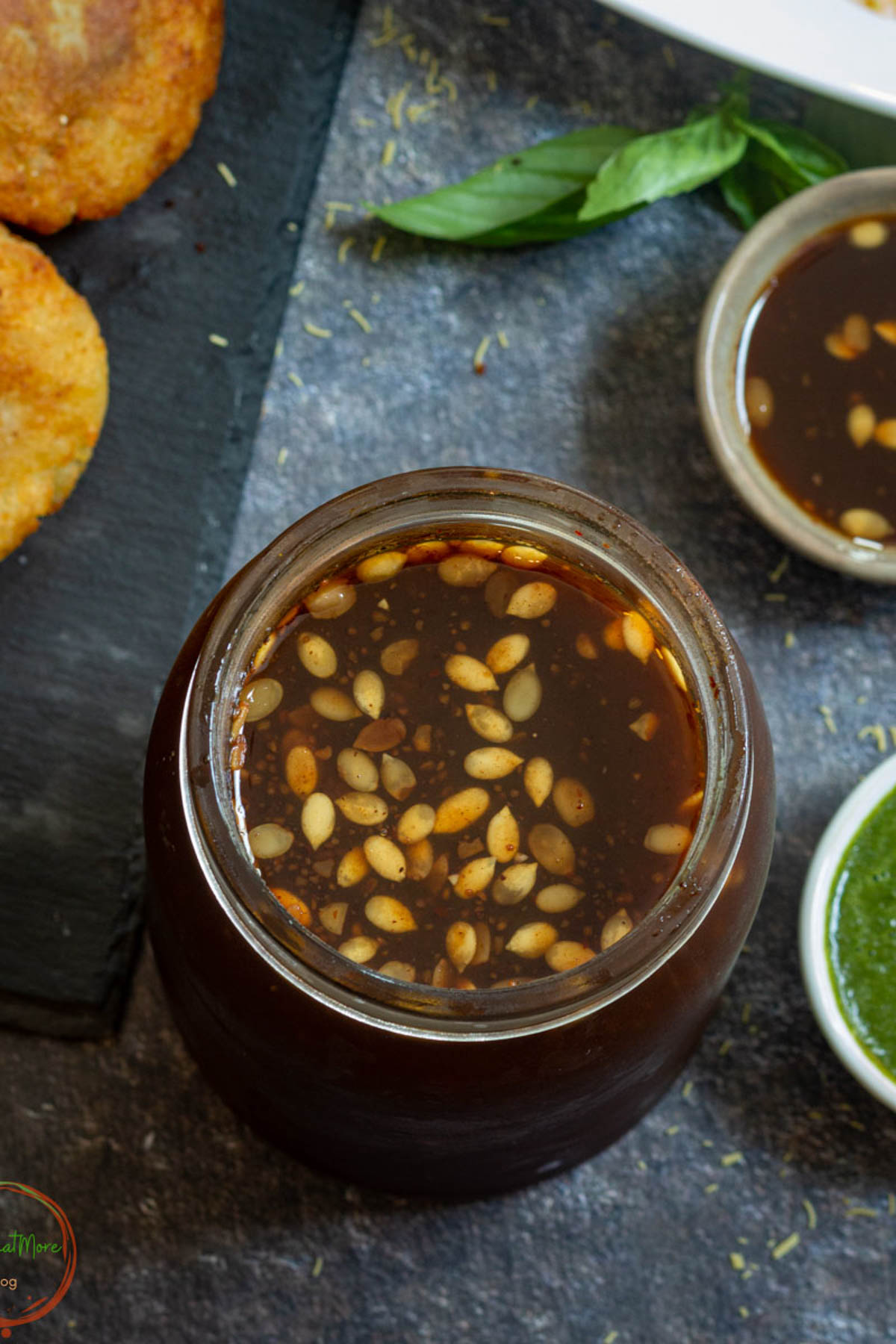
This chutney instantly makes chaat taste complete. I use it in matar chaat, sweet potato chaat, aloo tikki chaat, dahi bhalla, and other Indian snacks.
I also have a personal connection to this chutney because my mom used to make it for special meals, so it is one of those recipes I grew up seeing on the table.
Jump to:
- Why You'll Love This Tamarind Chutney
- Ingredients for Tamarind Chutney
- How to Make Tamarind Chutney
- 4. Add the Spices
- Tips for the Best Tamarind Chutney
- How to Get the Right Consistency
- Jaggery vs Sugar
- Why I Add Melon Seeds
- How to Use Tamarind Chutney
- How to Use Tamarind Chutney in Chaat
- Can I Make Tamarind Chutney Ahead?
- How to Freeze Tamarind Chutney
- Frequently Asked Questions
- Tamarind Chutney
Why You'll Love This Tamarind Chutney
This chutney has a really good balance of flavors:
- sweet from jaggery or sugar
- tangy from tamarind
- earthy from roasted cumin
- warm from garam masala and fennel
- lightly spicy from chili flakes
- savory from black salt and hing
The melon seeds also add a little texture, which makes this version different from a completely smooth tamarind sauce.
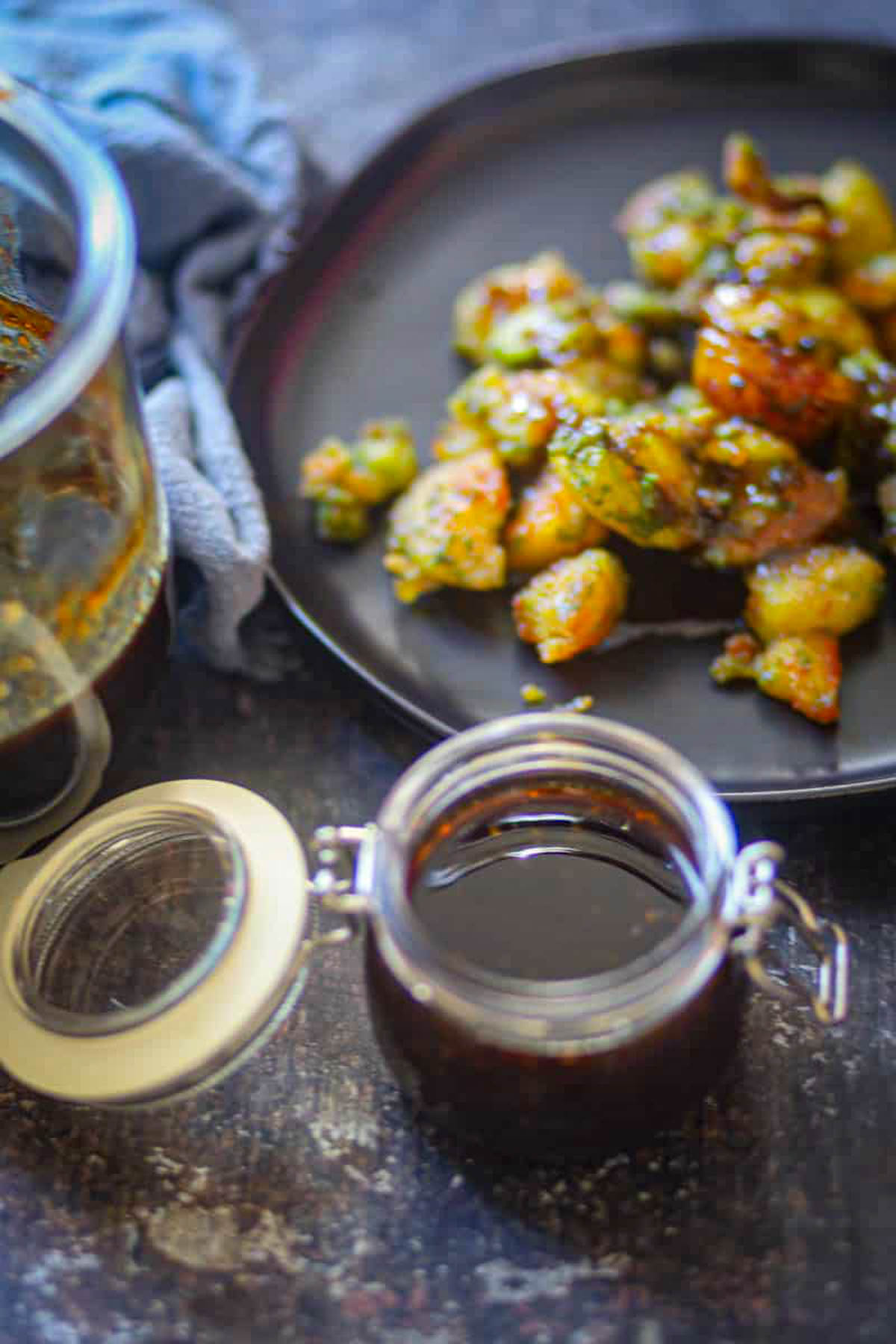
Ingredients for Tamarind Chutney
- Tamarind: I use ½ cup tamarind (imli) as the base. This gives the chutney its deep tangy flavor.
- Water: You'll need 1½ cups of water to soften the tamarind and make the chutney.
- Jaggery or Sugar: Use ½ cup jaggery or sugar. Jaggery gives the chutney a deeper, more traditional sweetness, while sugar gives a cleaner sweet flavor.
- Salt + Black Salt: I use both regular salt and black salt. Black salt gives the chutney that distinct chaat-style flavor.
- Roasted Cumin Powder: Roasted cumin adds a warm, earthy note that works especially well with tamarind.
- Red Chili Flakes: I use ½ teaspoon red chili flakes for a little heat. You can reduce it if you prefer a sweeter chutney.
- Ajwain: A small amount of ajwain adds a slightly sharp, aromatic flavor.
- Garam Masala: I add 1 teaspoon garam masala for warmth and depth.
- Melon Seeds: I add 2 tablespoons of melon seeds. They add texture and make the chutney more interesting than a completely smooth sauce.
- Fennel Seeds: Fennel adds a mild sweet aroma that works really well with tamarind.
- Asafoetida: A small pinch of hing adds savory depth.
How to Make Tamarind Chutney
1. Soak the Tamarind
Add the tamarind to warm water and let it sit until it softens. Once softened, mash it well with your hands or the back of a spoon.
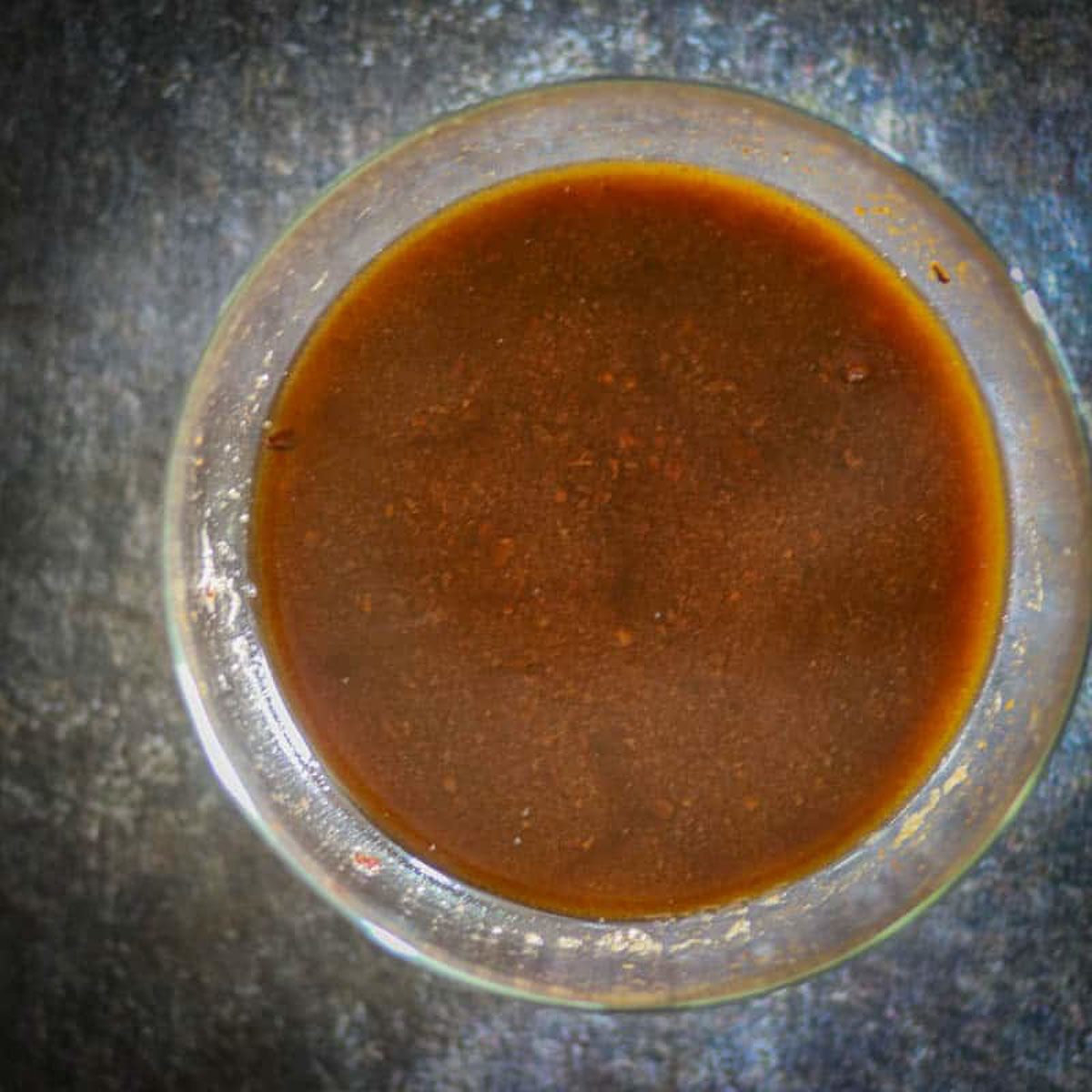
2. Extract the Tamarind Pulp
Strain the tamarind mixture, pressing well to extract as much pulp as possible.
Discard the fibers and seeds.
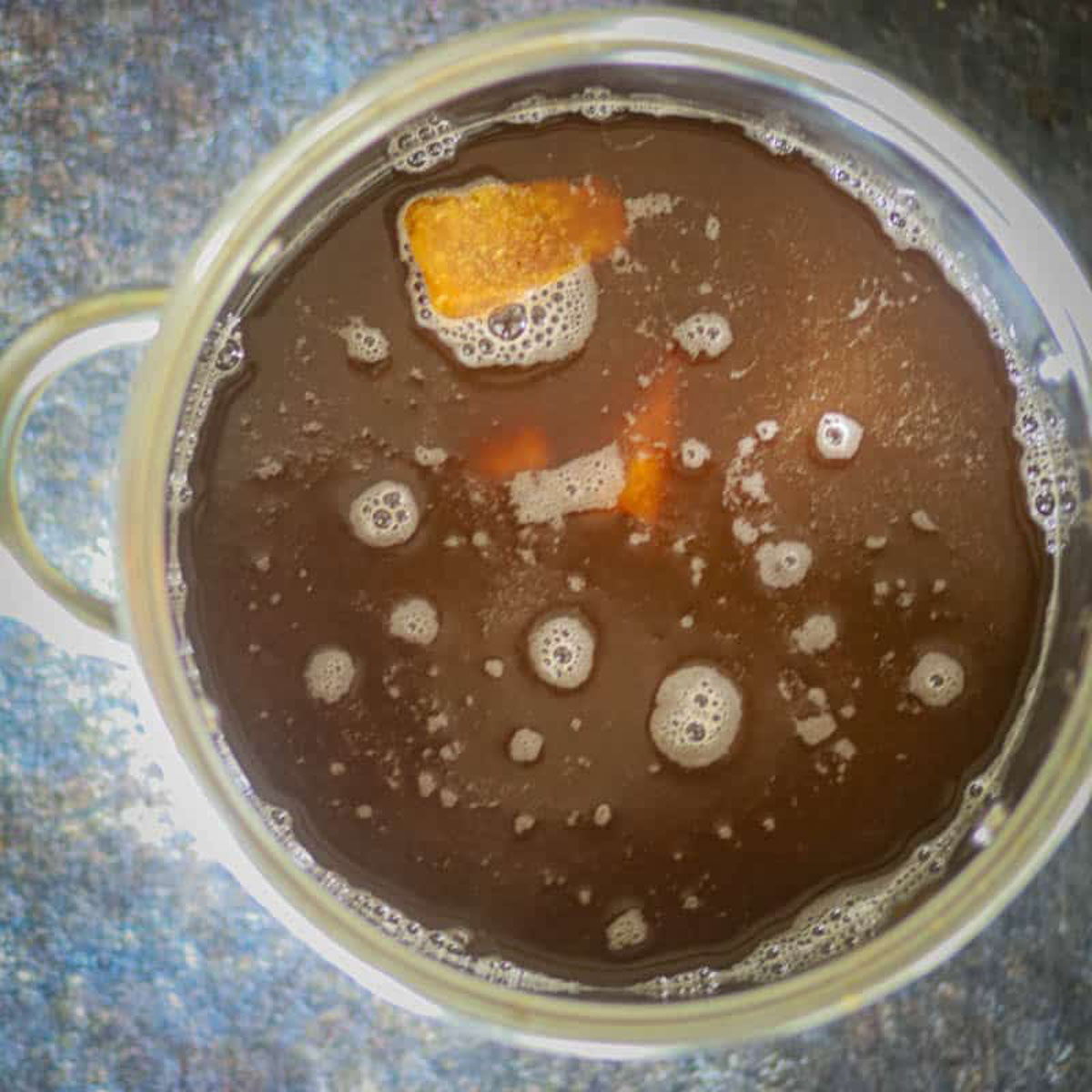
3. Add the Sweetener
Transfer the strained tamarind pulp to a saucepan.
Add jaggery or sugar and stir over medium-low heat until dissolved.
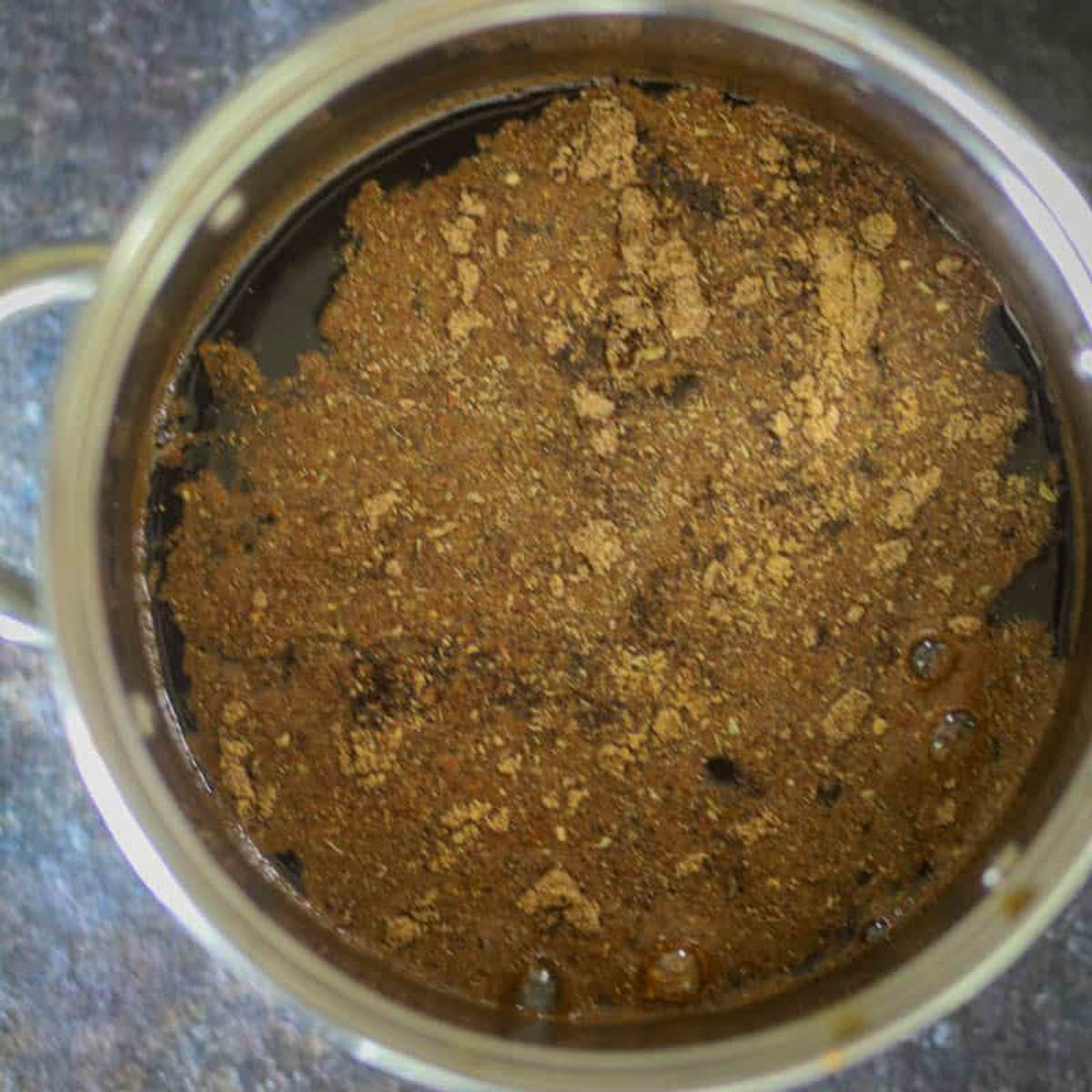
4. Add the Spices
Add the spices, including salt, black salt, roasted cumin powder, red chili flakes, ajwain, garam masala, fennel seeds, and hing.
Blend everything in a spice grinder and add it to the pot. Finally, add melon seeds.
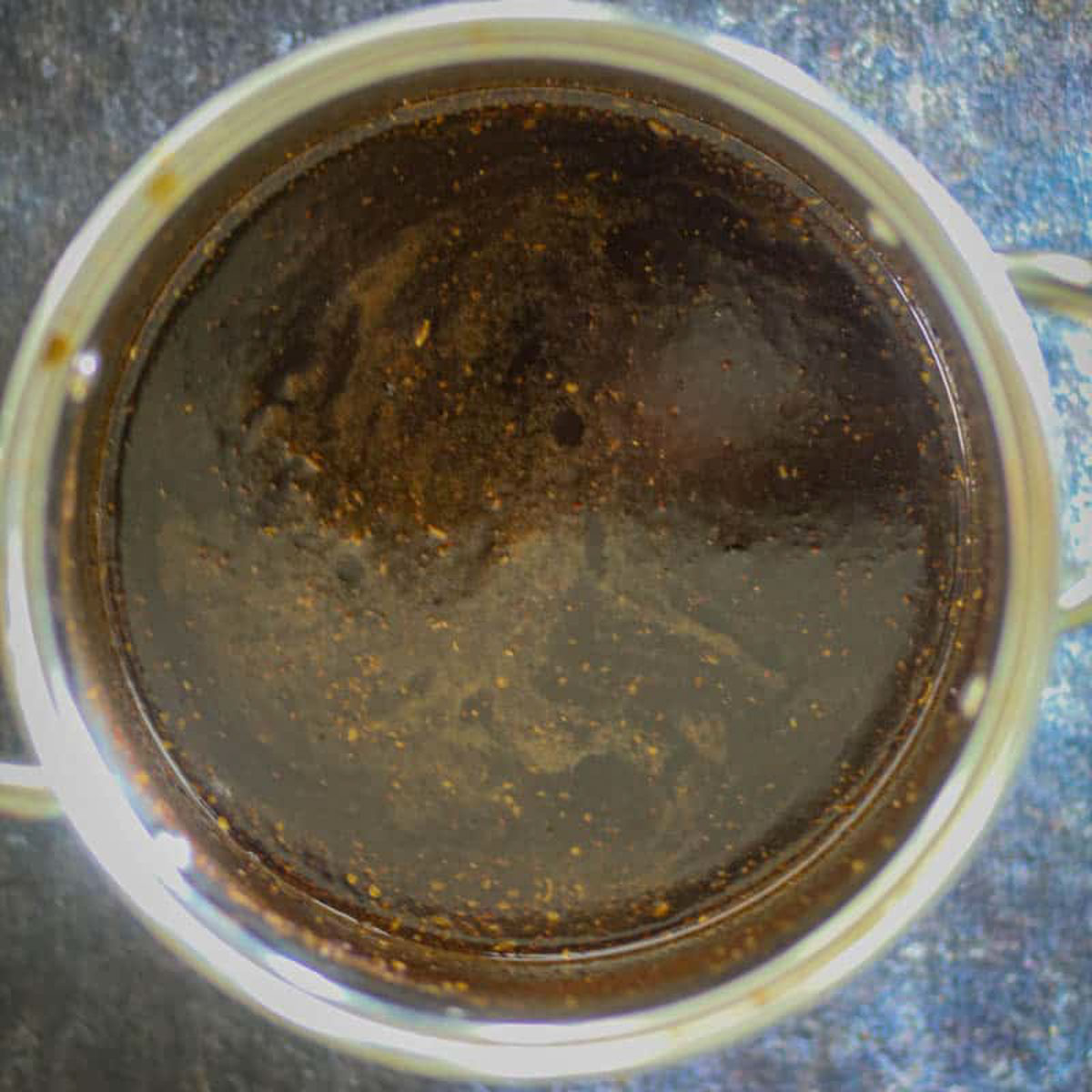
6. Simmer Until Slightly Thickened
Cook the chutney gently until it becomes slightly syrupy.
Do not cook it until it is extremely thick because it will thicken more as it cools.
7. Cool Completely
Turn off the heat and let the chutney cool completely. Once cooled, check the consistency and taste.
Adjust sweetness, salt, or spice if needed.
Tips for the Best Tamarind Chutney
- Don't cook it too thick: The chutney thickens as it cools, so stop cooking when it is still a little thinner than your final desired consistency.
- Taste before adding more sweetener: Tamarind can vary in sourness, so start with the recipe amount of jaggery or sugar and adjust only if needed.
- Use jaggery for deeper flavor: Jaggery gives the chutney a richer, more caramel-like sweetness, while sugar gives a cleaner sweet taste.
- Add the spices while the chutney is simmering: This helps the roasted cumin, fennel, ajwain, garam masala, and hing blend into the chutney instead of tasting separate.
- Keep the melon seeds for texture: The melon seeds add a little bite and make it different from a completely smooth imli chutney.
- Cool before judging the final consistency: The chutney can look thin when hot but becomes noticeably thicker once cooled.
- Adjust with water if needed: If it becomes too thick after cooling, stir in a small amount of water until it reaches your preferred consistency.
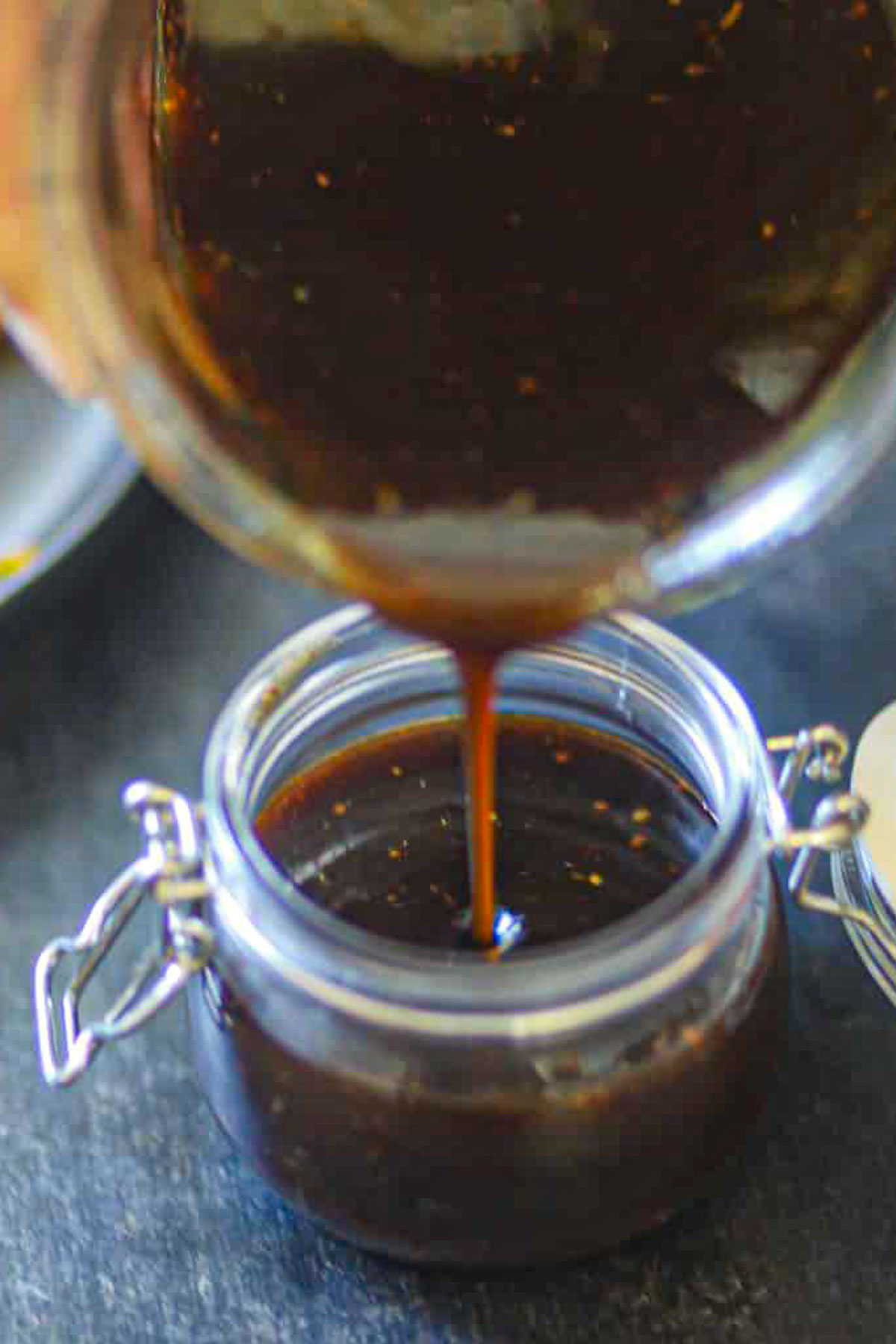
How to Get the Right Consistency
Remember that tamarind chutney thickens as it cools. So stop cooking when it is still slightly thinner than you want the final chutney to be.
If it becomes too thick after cooling, add a little water and stir until you reach the right consistency.
If it is too thin, simmer it for a few more minutes.
Jaggery vs Sugar
You can use either.
Jaggery gives the chutney a deeper, slightly caramel-like flavor. Sugar keeps the flavor simpler and lets the tamarind stand out more.
I would choose based on what you have at home and the flavor you prefer.
Why I Add Melon Seeds
Melon seeds are one of the little details that make this chutney feel special. They add a subtle bite and a little texture to the sweet-tangy chutney.
If you prefer a completely smooth chutney, you can leave them out.
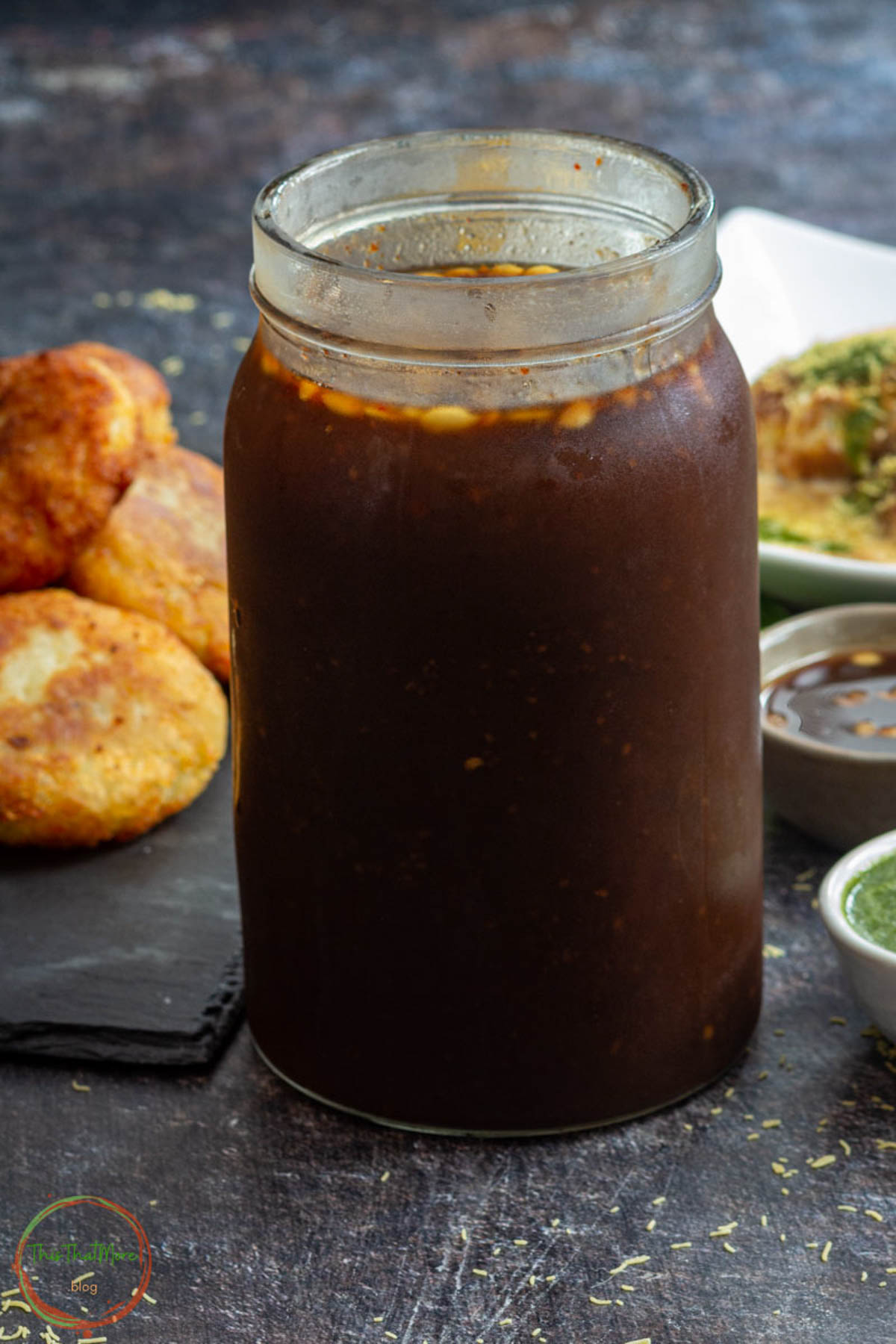
How to Use Tamarind Chutney
This chutney works especially well in:
- Matar Chaat
- Sweet Potato Chaat
- Aloo Tikki Chaat
- Dahi Bhalla
- Samosa
- Pakoras
- Dhokla
- Indian snacks
- Wraps and sandwiches
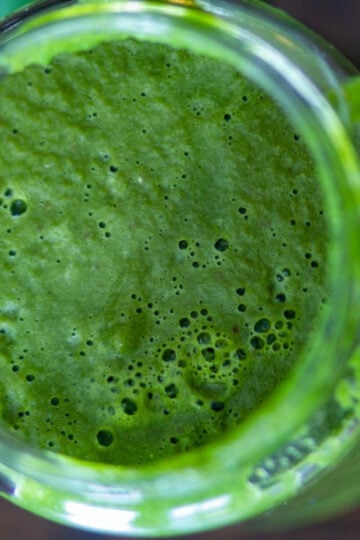
It pairs especially well with green chutney because its spicy, fresh flavor balances the sweetness of tamarind chutney.
How to Use Tamarind Chutney in Chaat
This sweet-and-tangy chutney is a staple in many of my Indian chaat recipes, including matar chaat, aloo tikki chaat, sweet potato chaat, and dahi bhalla..
That makes it easier to balance the sweet flavor with:
- green chutney
- lemon
- chaat masala
- black salt
- yogurt, when using
Start with a small amount and add more if needed.
Can I Make Tamarind Chutney Ahead?
Yes.
This is a very good make-ahead chutney. Let it cool completely before transferring it to a clean airtight jar.
Store it in the refrigerator and use a clean spoon each time. You can also freeze it in small portions if you want to keep it longer.
How to Freeze Tamarind Chutney
Spoon the chutney into an ice cube tray and freeze until solid. Transfer the frozen cubes to a freezer-safe container or bag.
This is useful because you can thaw only the amount you need for one batch of chaat.
Frequently Asked Questions
Yes.
Tamarind is called imli in Hindi, so tamarind chutney and imli chutney refer to the same type of chutney.
Yes.
Use the same amount and adjust sweetness after tasting.
Yes.
Reduce the jaggery or sugar slightly. Just remember that the sweetness should balance the sourness of the tamarind.
It may have cooked too long or thickened more after cooling. Stir in a small amount of water until it reaches the consistency you want.
Simmer it a little longer over low heat. It will also thicken slightly after cooling.
Tamarind Chutney
Ingredients
Equipment
Method
- Soak the tamarind: Add tamarind to warm water and let it soak until softened.
- Extract the pulp: Mash the softened tamarind well, then strain it, pressing to extract as much pulp as possible. Discard the fibers and seeds.
- Start cooking: Transfer the strained tamarind liquid to a saucepan and bring it to a gentle simmer.
- Add sweetener: Add jaggery or sugar and stir until completely dissolved.
- Add the spices: Add salt, black salt, roasted cumin powder, red chili flakes, ajwain, garam masala, fennel seeds, and hing. Stir well.
- Add melon seeds: Add the melon seeds and continue simmering.
- Cook until slightly thickened: Simmer until the chutney becomes slightly syrupy. Do not overcook because it will thicken more as it cools.
- Cool and store: Turn off the heat and let the chutney cool completely before transferring it to a clean airtight jar.
Nutrition
Notes
- Tamarind can vary in sourness, so taste before adding more sweetener.
- Jaggery gives the chutney a deeper, richer flavor; sugar gives a cleaner sweetness.
- Don't cook the chutney too thick, because it continues to thicken as it cools.
- If it becomes too thick after cooling, stir in a little water.
- Melon seeds are optional if you prefer a completely smooth chutney.
- Store in a clean, airtight container in the refrigerator.
- Freeze extra chutney in small portions or ice cube trays for longer storage.



Leave a Reply